)
Sustainable business
27.07.2026
Webinar recap: How businesses can build a credible biodiversity investment strategy
Earthly brought together Lorienne Whittle, Rewilding Landscapes Manager at Nattergal ; Siobhan Stewart, Head of Delivery at …

)
Businesses investing in carbon credits as part of their climate strategies, whether to address residual emissions, meet ESG commitments, or contribute to net-zero targets are now focusing on high-impact, credible
.
According to
of corporate emissions performance, companies that invest in material quantities of carbon credits are decarbonising at twice the rate of companies that do not. Credits are not a substitute for internal emissions reduction, they work alongside it, but the projects that deliver the most value combine genuine carbon impact with measurable environmental and social co-benefits.
For businesses, selecting projects across multiple ecosystems can help balance impact, risk, and stakeholder relevance.
Here, we highlight a selection of high-impact nature-based projects: what they do; what they deliver beyond carbon; and how sustainability teams can use them to meet emissions, ESG and reporting goals. You’ll find:
Forest and reforestation projects
Mangrove and blue carbon projects
Peatland and wetland projects
Soil and regenerative agriculture projects
carbon projects primarily involve protecting existing forests from conversion; restoring degraded landscapes; and managing lands sustainably to turn them into active carbon sinks. High-integrity forest and land-use strategies have the potential to provide up to
of the cost-effective global climate mitigation needed by 2030.
For businesses, investing in these carbon credits can support risk management by preparing for evolving carbon regulation and strengthening climate strategies. It also signals to investors that a company is actively addressing emissions and building resilience as expectations around climate disclosure and performance continue to increase.
Type
: Carbon avoidance
Intervention
: Improved Forest Management (IFM)
Standard
: Verified Carbon Standard (VCS)
Price
:
The
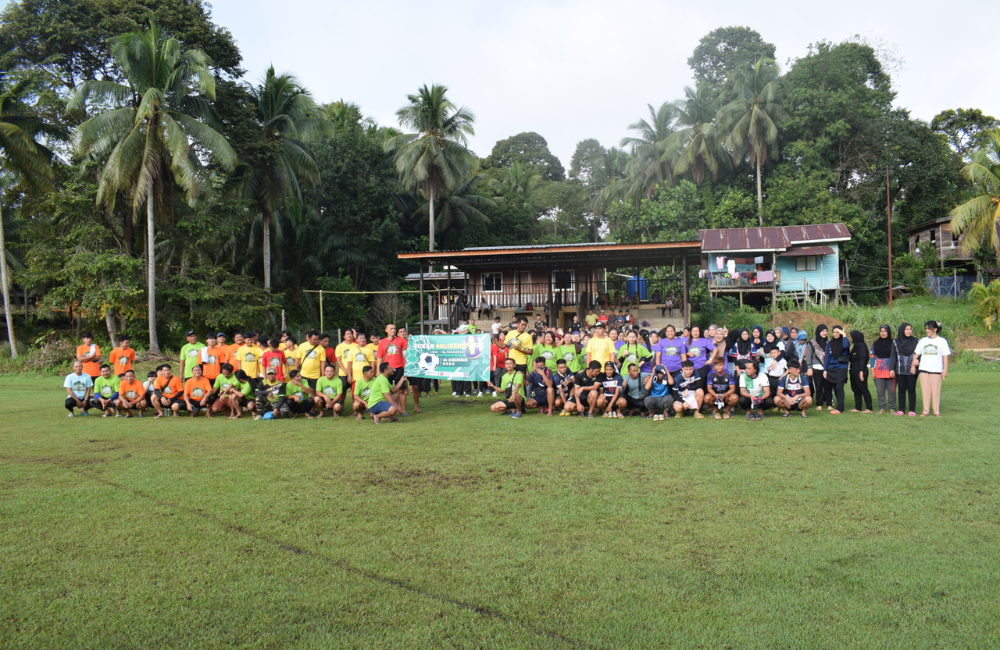
protects 83,381 hectares of tropical forest in Sabah, Malaysia. The area was previously logged and designated for further commercial exploitation but is now converted to Class I Forest Reserve status. Since the project's inception in 2013, deforestation within the project area has halted.
The project protects habitat for 75 rare, threatened, or endangered species, including iconic species such as the Bornean orangutan, Bornean elephant, and helmeted hornbill, alongside 34 rare tree species.
The initiative also employs 40 local residents (50% women) in forest patrolling and nursery management, has improved healthcare access for 914 people, and provides scholarships for 100 students.
Type:
Carbon removal
Intervention:
Afforestation, Reforestation and Revegetation
Standard:
Plan Vivo
Price:
£19 per tonne CO₂
The
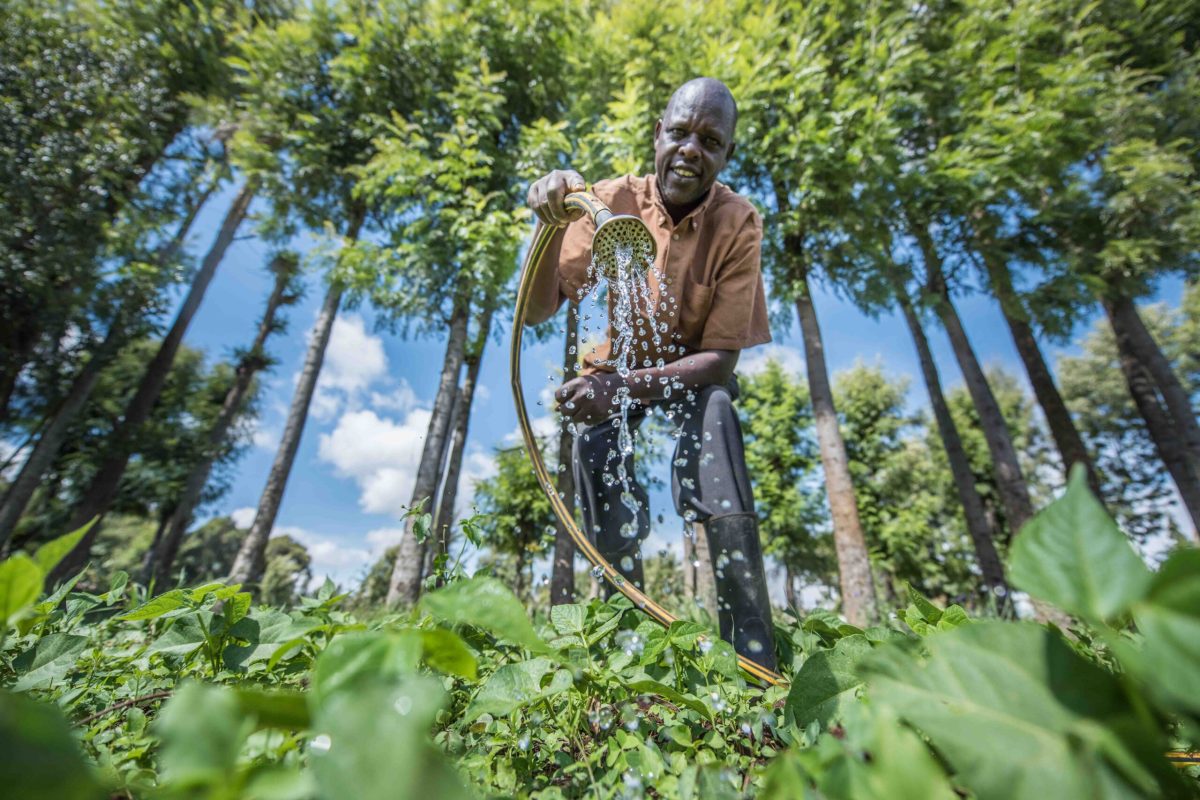
is Africa's first water fund. The watershed supplies 95% of Nairobi's water and generates 40% of Kenya's electricity through the Masinga hydropower system.
Agricultural expansion had caused severe erosion and sedimentation, reducing water quality and quantity for 9 million people downstream.
The initiative works with over 165,000 smallholder farmers across 153,078 hectares in agroforestry techniques like fruit orchards, alley cropping, boundary planting that stabilise soils, sequester carbon, and improve farmer incomes. Over 3 million trees have been planted to date.
The project aims to raise farmer productivity and incomes by 30%, and expects to reduce sediment levels in nearby rivers by 16% and increase water availability for Nairobi by 11%. All revenue from carbon credit sales is channelled back into project activities.
and coastal carbon projects are global initiatives that focus on protecting, restoring, regenerating or expanding forests in coastal areas. They protect coastal communities from storm surges, enhance marine biodiversity, and sequester up to
than tropical rainforests.
For businesses disclosing under frameworks like TNFD - which specifically asks companies to assess nature-related dependencies and impacts - mangrove projects offer documented links between nature investment and material business risk.
Type:
Carbon removal
Intervention:
Restoring and Protecting Wetland Ecosystems
Standard:
Verified Carbon Standard (VCS)
Price:
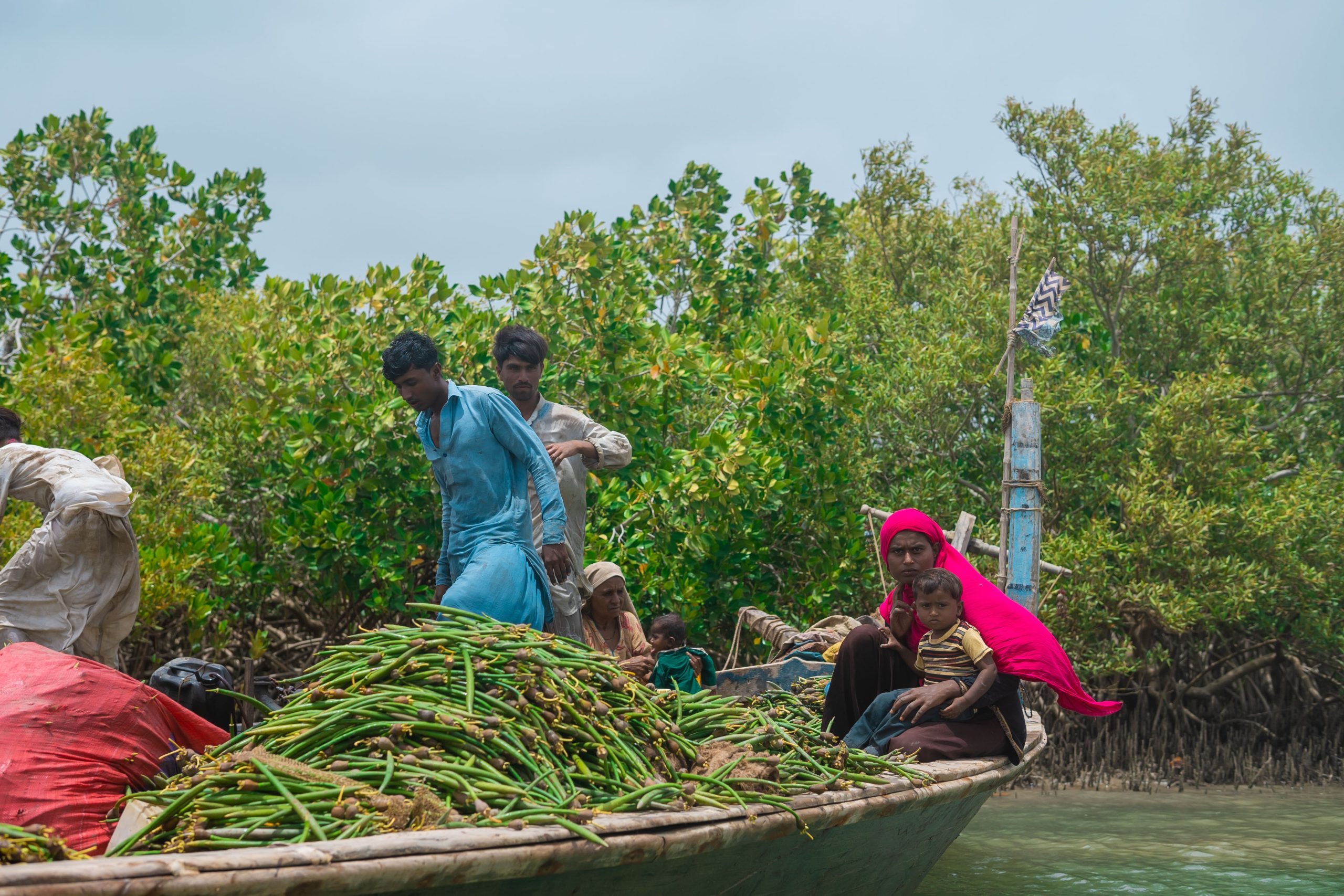
is the largest mangrove restoration project in the world, sitting on the fifth-largest delta on Earth and designated a WWF Global 200 Ecoregion.
The Indus Delta was devastated between 1950 and 2000 by land use change, industrial activity, fuelwood extraction, and livestock grazing. Six years since its inception, the project has restored 73,000 hectares of degraded mangrove forest through a public-private partnership, benefiting 43,000 local residents and setting the project on course to sequester over 127 million tCO2e over its lifetime.
The project surrounds 60 fishing villages, where over 70% of inhabitants live below the poverty line. It will employ 1,000 local people, 400 of them women, and has already provided clean drinking water access for up to 500 people a day.
Fishing Stewardship Communities have been established to ensure fishermen are compensated fairly and supported with cold storage, new equipment, and sustainable harvesting training.
The first monitoring report of the initiative recorded improvements in 11 globally threatened species, including the Indus River dolphin, the Indian pangolin and the fishing cat.
Type:
Carbon removal
Intervention:
Afforestation, Reforestation and Revegetation (ARR)
Standard:
Verified Carbon Standard (VCS)
Price:
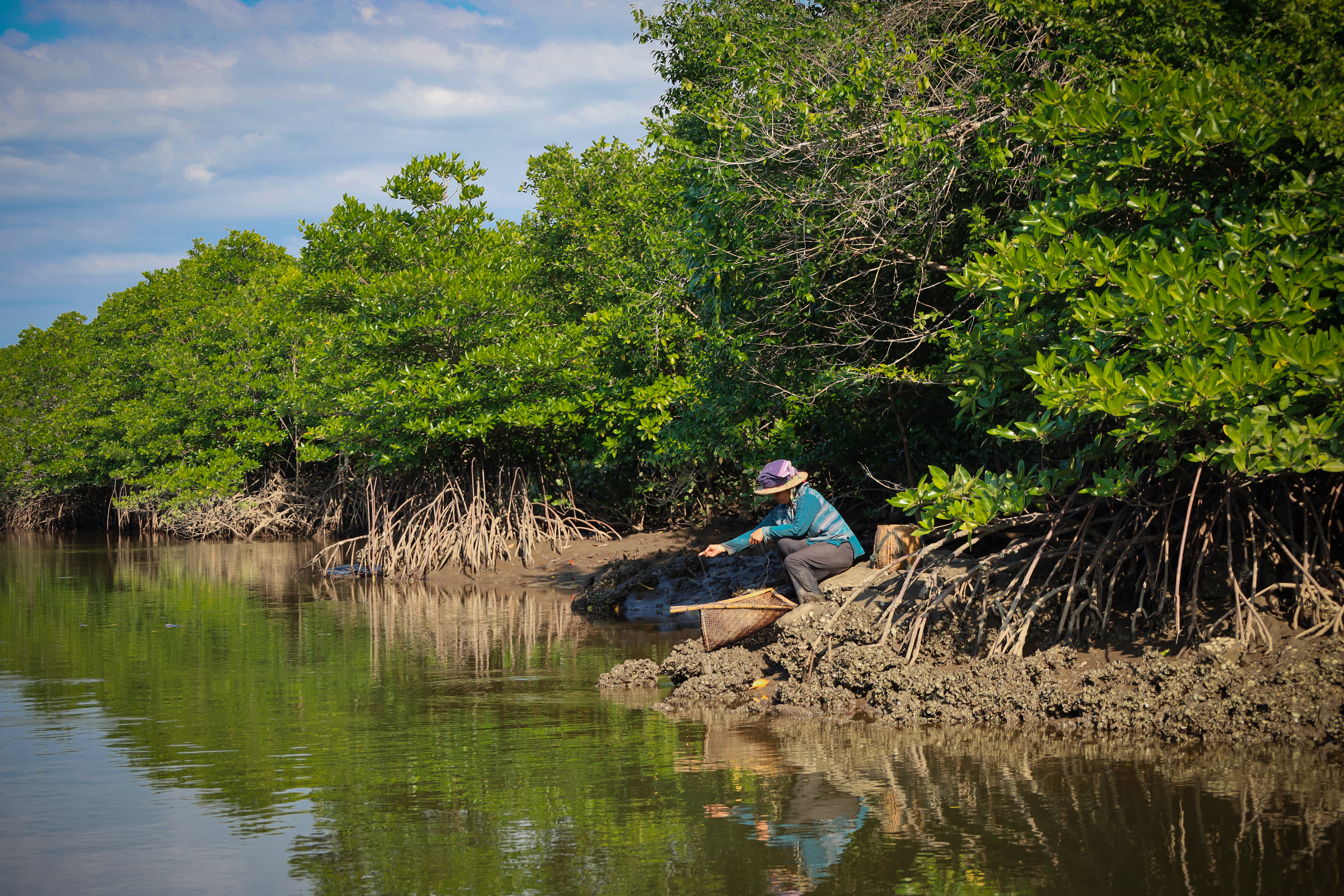
Mangrove coverage in the region fell from 81,800 hectares in 2000 to just 46,200 hectares by 2013, driven by charcoal production, shrimp farming, and land conversion. Without intervention, NASA projections estimate only 13,000 hectares would remain by 2030.
is restoring and protecting 2,060 hectares of degraded mangrove forest across three village tracts, using native species and community-led monitoring to halt that decline.
Before the project began, local communities depended on cutting mangroves for charcoal as their primary livelihood. Those same individuals are now employed by the project, paid above the national minimum wage in forest patrolling, nursery work, and restoration activities, and have committed to ending charcoal production.
To date, 640 villagers have earned income through the project, 42.5% of leadership roles in Village Development Committees are held by women, and over 555 individuals have received vocational and livelihood training. A significant share of the total project budget is dedicated to social initiatives including scholarships, aquaculture, and access to renewable energy.
Additionally, 341,000 tCO₂e removed through mangrove restoration between 2015 and 2023, 3 threatened species protected and 597 vulnerable households supported with basic food supplies.
cover just 3% of the Earth's land surface but store
as all the world's forests combined. Peatland protection and restoration projects prevent that carbon from being released.
Peatland credits have a permanence advantage over some other ecosystem types: re-wetted peatland is structurally more stable than standing forest, and the underlying hydrology is easier to monitor and protect. This provides businesses with stronger assurance that carbon impacts will persist over time, supporting more robust and defensible ESG disclosures.

Type:
Carbon avoidance
Intervention:
Restoring and Protecting Wetland Ecosystems
Standard:
Verified Carbon Standard (VCS)
Price:
£7.5 per tonne CO₂
The
protects over 640 square kilometres of High Conservation Value tropical peat forest in Borneo - a forest that, without this project, would have been converted into palm oil plantations, releasing over 100 million tonnes of carbon stored in the peat domes below.
The initiative is now a buffer zone between palm oil concessions and one of the last remaining wild orangutan populations on Earth, protecting 55 critically endangered or endangered species in total.
The project also works with fishing communities along the Seruyan River, has removed 5.7 tonnes of garbage from the waterway, and has planted 55,350 mangrove seeds along the coastal edge, extending its impact beyond the peat domes themselves.
projects rather than preventing deforestation or restoring a degraded habitat, they sequester carbon incrementally through changes in farming practice - reduced tillage, cover cropping, improved crop rotation and soil health management.
For businesses in food, retail, or hospitality with agricultural supply chains, regenerative agriculture credits offer a credible way to connect carbon investment to material scope 3 emission sources.
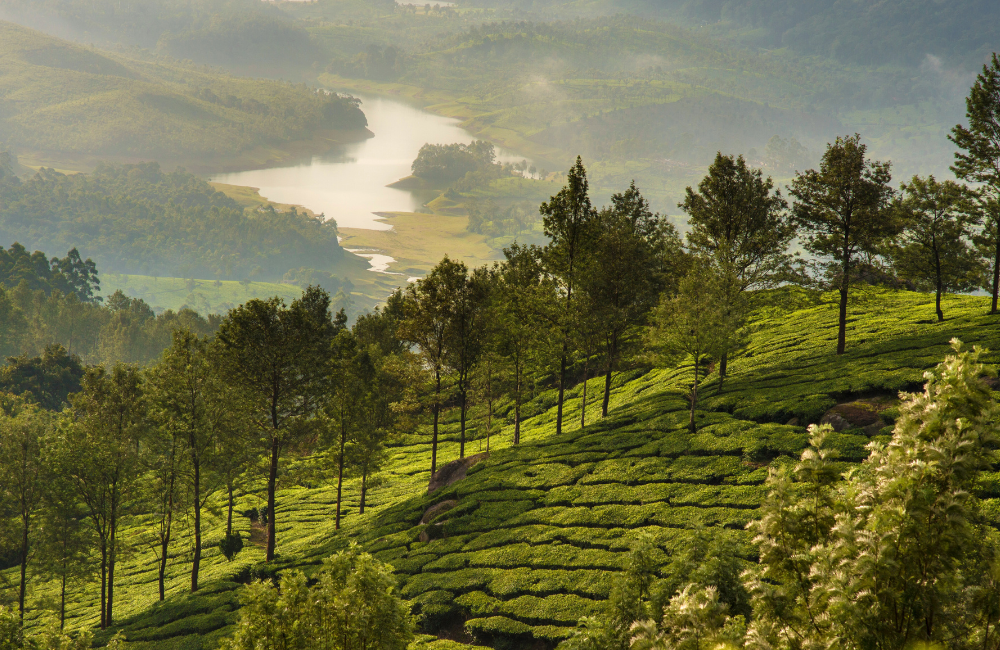
Type:
Carbon removal
Intervention:
Improved Agricultural Land Management
Standard:
Verified Carbon Standard (VCS)
Price:
The Indo-Gangetic Plains produce a big share of India's food supply but face severe soil degradation, water scarcity, and air pollution from widespread crop residue burning.
works with smallholder farmers in Punjab and Haryana to replace those practices with direct seeded rice, reduced tillage, cover cropping, crop residue incorporation, and optimised fertilisation.
It has already reduced water consumption by around 22%, conserving over 59 million litres of water in the most recent crediting period, and removes 227,878 tCO₂e annually.
By avoiding crop residue burning across over 40,000 hectares, the project reduced air pollution at a scale the monitoring team calculates as equivalent to saving 52 lives in the current period alone - with a projected 2,614 lives saved over the project lifetime.
Farmer incomes have increased by 12 to 16%, with 50 to 70% of carbon credit revenue distributed directly to participating farmers. The project now involves 5,601 farmers across 41,995 hectares, with a target of 815,865 hectares by 2029.
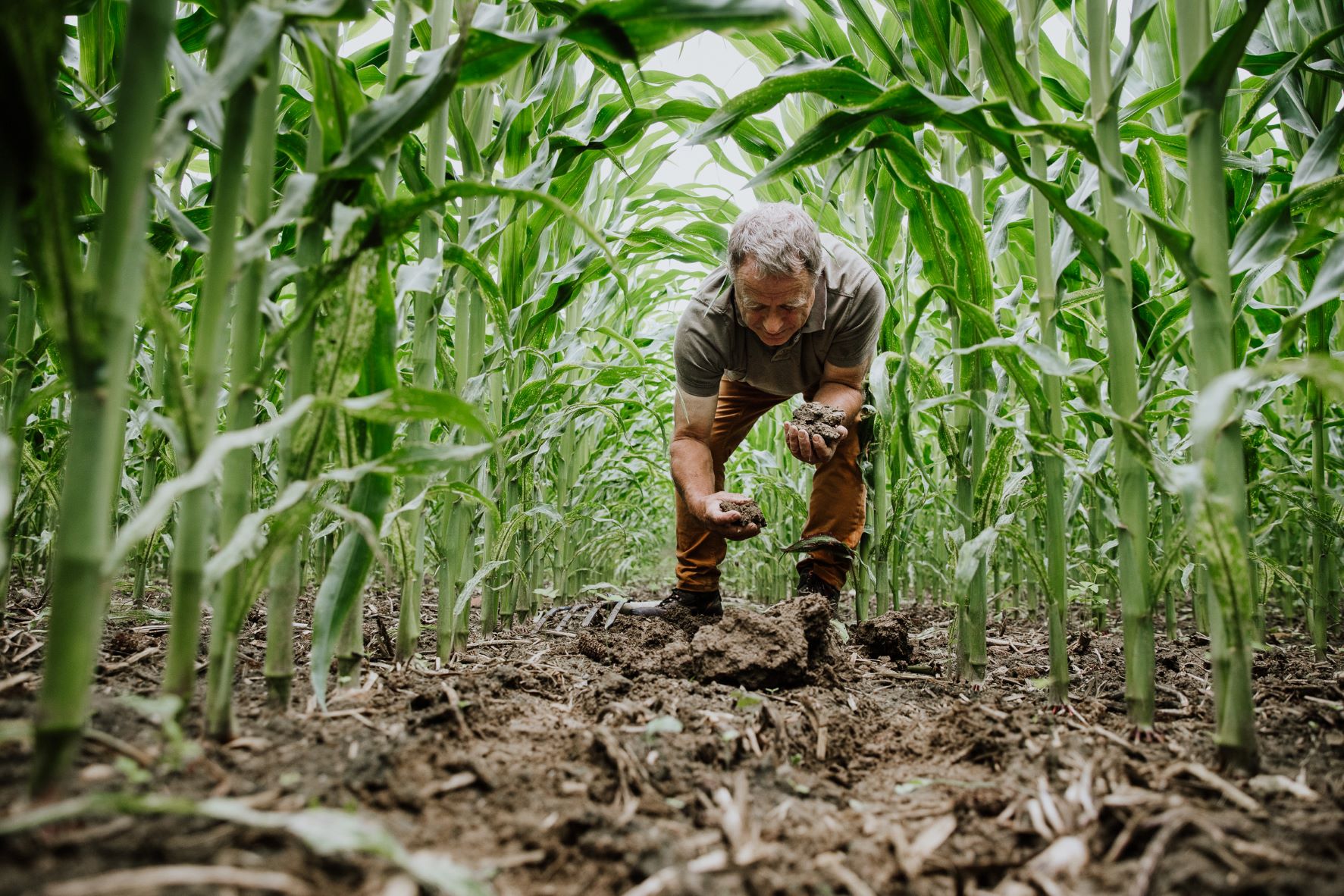
Type:
Carbon removal
Intervention:
Improved Agricultural Land Management
Standard:
GHG CleanProject Registry
Price:
£77.44 per tonne CO₂
This is
Europe's first multinational certified carbon payment programme for regenerative agriculture
, operating across France, Belgium, and the UK. In all three countries, regenerative farming represents less than 10% of total agricultural land - the project is explicitly designed to change that by making the economics work for conventional farmers.
Practices include reduced or zero tillage, cover cropping, crop diversification, livestock integration and agroforestry. Farmers commit to five-year crediting periods renewable up to four times, followed by a 10-year retention period - a structure that builds in permanence and discourages reverting to conventional methods.
In 2023 to 2024 alone, the project reduced or removed 720,000 tCO₂e across 500,000 hectares of farmland, with 1,800 farmers enrolled and receiving hands-on agronomic support.
A reporting-ready carbon credit is a high-integrity, verified carbon unit that meets strict regulatory and voluntary standards, ensuring transparent, audit-ready data for corporate emission reporting. The evidence behind the claim is documented, accessible, and auditor-grade:
Verified carbon outcomes:
The credit is issued under a recognised standard (VCS, Gold Standard, Plan Vivo, or equivalent), independently audited, and registered on a public registry that prevents double-counting.
Documented co-benefits:
For CSRD and TNFD disclosures, carbon alone is not enough. The project must provide verifiable evidence of biodiversity and social outcomes - species data, habitat monitoring, community impact assessments.
Accessible project-level data:
Businesses need to be able to report on which project they supported, where it is, what standard it operates under, and what outcomes it has delivered, not just that credits were purchased.
Every project featured in this list is available through the
. Each is selected for its ability to meet the expectations of sustainability teams, with the level of transparency, verification, and documentation required to withstand scrutiny from auditors, investors and procurement stakeholders.
Earthly assesses every project in our marketplace using
, a framework that evaluates projects across 168 indicators on carbon integrity, biodiversity impact, and community outcomes. Every project on the marketplace exceeds a minimum score of 5.5 out of 10.
Carbon pillar:
Assesses additionality, permanence, leakage risk, baseline scenario quality, and verification rigour, the factors auditors and CSRD reporters scrutinise most.
Biodiversity pillar:
Evaluates species monitoring, habitat integrity, and ecological outcomes, producing the nature-related evidence that TNFD disclosures require.
People pillar:
Assesses community rights, land tenure, livelihoods, and social impact, covering the social dimension of CSRD and ESG reporting requirements.
Beyond the credits themselves, Earthly customers get access to
designed to make disclosure straightforward:
Impact Dashboard:
Real-time access to project-level data - carbon figures, biodiversity outcomes, and social metrics that can be shared directly with auditors, investors, and procurement teams as evidence of impact.
Customer Hub:
Guidance on the language of nature-based solutions, support for making claims that comply with CSRD, TNFD, and other frameworks, and resources to help sustainability teams tell their story accurately and without greenwashing risk.
Project-level documentation:
Verification reports, monitoring data, and registry information for every project - the supporting evidence that turns a credit purchase into a defensible disclosure.
What is a high-impact carbon credit?
A high-impact carbon credit represents a verified unit of emissions reduction or removal that delivers measurable climate benefits alongside additional environmental or social outcomes, such as biodiversity restoration or community support.
What makes a carbon credit reporting-ready?
A reporting-ready carbon credit is supported by recognised certification, transparent methodologies, and verifiable data, allowing it to be included in ESG disclosures, sustainability reports, and audits.
Are nature-based carbon credits reliable?
Nature-based carbon credits can be reliable when projects are independently verified, well-managed, and designed to ensure long-term carbon storage, additionality, and ecosystem integrity.
What is the difference between removal and avoidance credits?
Removal credits are generated by projects that remove carbon dioxide from the atmosphere, such as reforestation or soil carbon sequestration. Avoidance credits are generated by preventing emissions that would otherwise occur, such as protecting forests from deforestation.
How do businesses verify the quality of a carbon project?
Businesses assess project quality through third-party certification standards (such as Verra, Gold Standard, or Plan Vivo), alongside project documentation, methodologies, and alignment with recognised integrity frameworks.
How much should a business invest in carbon credits?
This depends on a company’s emissions profile, climate targets, and strategy. Many businesses use carbon credits to address residual emissions as part of a broader decarbonisation plan.
Related articles
27.07.2026
Earthly brought together Lorienne Whittle, Rewilding Landscapes Manager at Nattergal ; Siobhan Stewart, Head of Delivery at …
)
08.07.2026
Eight in ten companies reporting on sustainability are now doing it across more than one framework simultaneously …
)
18.06.2026
On 11 June 2026, the Science Based Targets initiative (SBTi) published the final Corporate Net-Zero Standard …