)
Biodiversity
13.10.2025
How the South Downs National Park and Earthly are driving biodiversity recovery through VBCs
One year of businesses supporting biodiversity …

)
The
in West Sussex is one of the most cited examples of successful nature restoration in the UK. It was once a conventional arable farm shaped by intensive agriculture and declining biodiversity. Today, it is home to rare species of butterflies, birds and beetles, demonstrating how degraded agricultural land can recover over time under the right conditions and with long-term ecological stewardship. Elsewhere in the UK, sites like
are demonstrating growing potential for large-scale ecosystem restoration too. A
has compared the projects and highlights how voluntary biodiversity credits have a key role to play.
A new Cambridge-led study explores whether voluntary biodiversity credits could help finance large-scale nature recovery in England.
Researchers compared Boothby Wildland in Lincolnshire with Knepp Estate in West Sussex, both run by Nattergal..
Boothby could achieve a 69-92% biodiversity gain over 30 years, worth an estimated £1.5 million to the voluntary biodiversity market.
Businesses have a direct role in closing the funding gap through deliberate, long-term nature investment.
Across the UK, thousands of unproductive arable farms remain in ecologically depleted states after decades of intensive agriculture. Long-term recovery efforts require viable and sustained financing models to support restoration, monitoring and stewardship over time.
A new Cambridge-led study has added important evidence to a growing conversation in nature markets: can voluntary biodiversity credits play a meaningful role in financing large-scale ecosystem restoration?
The answer, based on
comparing Boothby Wildland in Lincolnshire and the Knepp Estate in West Sussex, is yes - voluntary biodiversity credits are an essential component of funding nature recovery. But their impact is greatest when combined with other revenue streams, including carbon credits, as part of a blended finance model.
For businesses and investors, the study offers data-driven insights that may help inform nature and sustainability strategies as environmental markets continue to evolve.
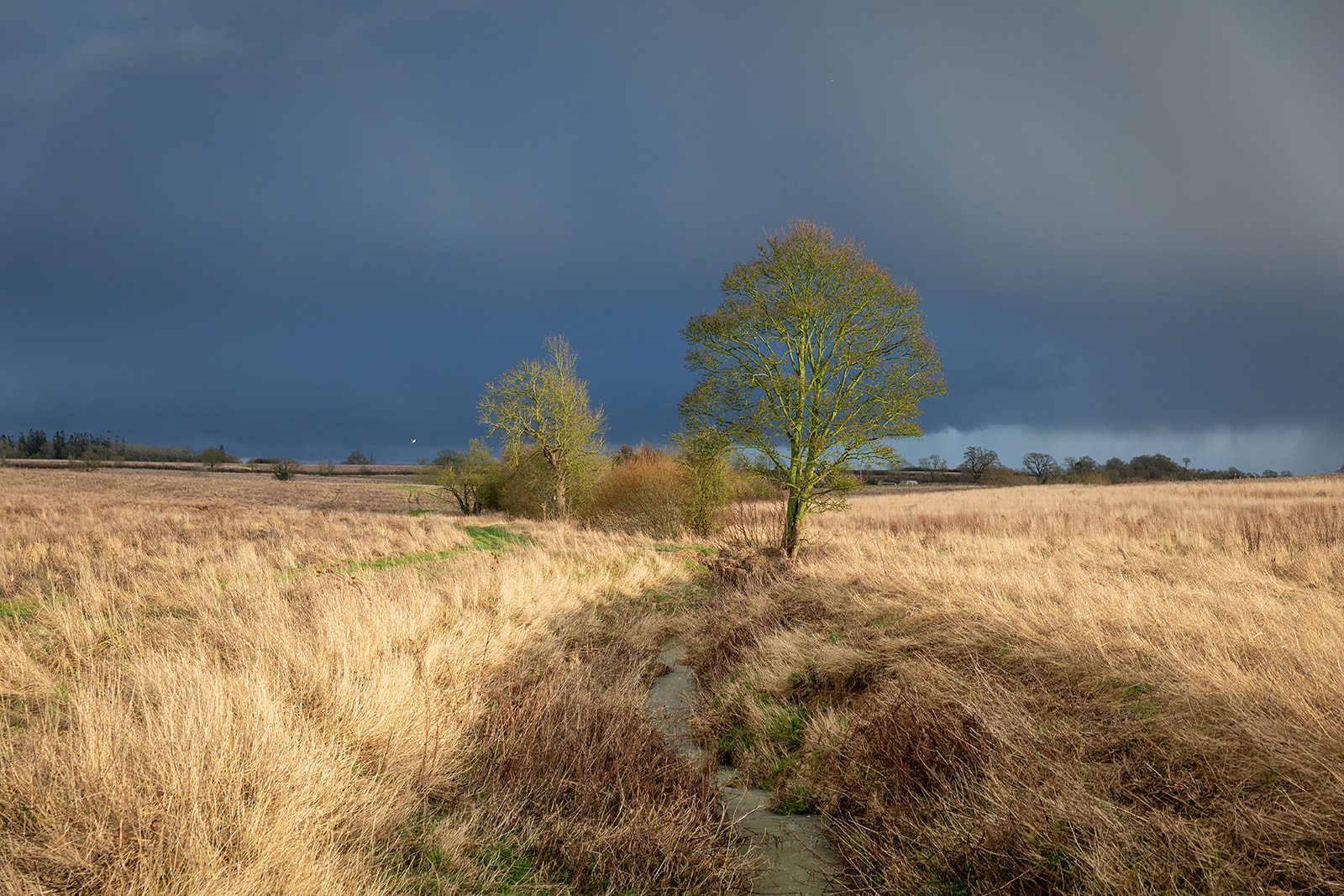
Habitat mosaic creation at Boothby Wildland, Lincolnshire - transforming intensively farmed arable land into a dynamic mix of species-rich grasslands, mixed scrub, ponds, and restored river systems. Photo credits: Nattergal
The
was led by Dr Cicely Marshall of the Department of Plant Sciences at the University of Cambridge, in collaboration with
, the nature restoration company that owns and manages Boothby Wildland and
, a DNA barcoding company.
The team surveyed two sites:
Boothby Wildland
: A 617-hectare nature recovery project in Lincolnshire, transforming intensively farmed arable land into a mosaic of habitats.
The Knepp Estate
: A former arable farm rewilded over the past 20 years, now one of the most biodiverse sites in lowland England and the benchmark against which Boothby's recovery potential was measured.
The team used a technique called DNA metabarcoding to accurately identify every species of flying invertebrate, land invertebrate, soil invertebrate, and soil fungi present at each site. These groups were selected because they provide a reliable indication of soil recovery and ecosystem functioning, alongside more traditional biodiversity indicators such as plants and birds.
The comparison between the two sites allowed the team to project how Boothby's biodiversity could change over 30 years of nature recovery, and then calculate what that gain would be worth on the voluntary biodiversity credit market.
The framework used was the
, which defines one biodiversity credit as a 1% improvement in biodiversity per hectare of land.
"Our project aimed to put some numbers on these credits, and de-risk them for investors and nature."
Dr Marshall
Since 2023, restoration efforts in the
led by Nattergal have focused on rebuilding ecosystem function through:
Habitat creation
Wetland restoration
Hedgerow recovery
The reintroduction of natural ecological processes
As part of this work:
Beavers have been introduced to help restore the West Glen River and support wetland creation.
Scrapes and ponds are being developed to create both temporary and permanent wet habitats.
Future grazing systems are intended to support a more diverse mosaic of habitats and species over time.
The Cambridge study used the Knepp Estate as the benchmark for what 20 years of that process looks like. The results show that overall biodiversity at Knepp was around twice as rich as at Boothby, with 33% more pollinator species and 25% more species of beneficial fungus - a direct reflection of two decades of active ecosystem recovery.
Based on that comparison, the team projected what Boothby could achieve over 30 years of rewilding:
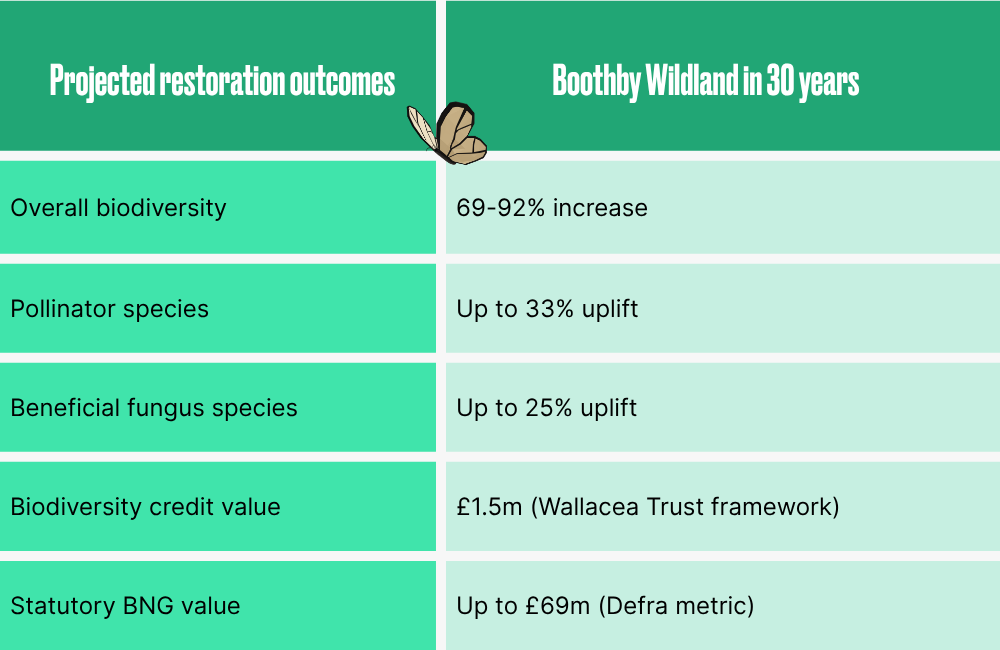
Table showing projected restoration outcomes at Boothby Wildland over 30 years based on the Cambridge study’s comparison with Knepp Estate.
The findings suggest that Boothby could potentially support substantial biodiversity gains, improved ecosystem functioning, and more resilient natural landscapes over time if restoration efforts continue successfully.
At the same time, the research highlights a broader challenge: restoring ecosystems at scale requires long-term financing capable of supporting restoration and stewardship over multiple decades.
One of the clearest findings from the Cambridge study is the scale of the financing challenge facing ecosystem restoration.
The projected costs associated with restoring and managing a restoration site, including ecological monitoring and long-term stewardship, were estimated to be higher than the projected value of voluntary biodiversity credits. Unfortunately, investor willingness to pay for biodiversity credits currently falls around fifteen times below the level required to fully fund restoration.
The findings highlighted:
Ecosystem restoration is long-term
Ecological outcomes can take decades to mature
Restoration projects require ongoing monitoring and stewardship
Financing needs often extend beyond short-term market cycles
Rather than presenting biodiversity credits as a standalone solution, the study suggests that large-scale nature recovery may ultimately depend on blended financing models combining biodiversity credits, carbon finance, private investment, public funding, and long-term stewardship approaches.
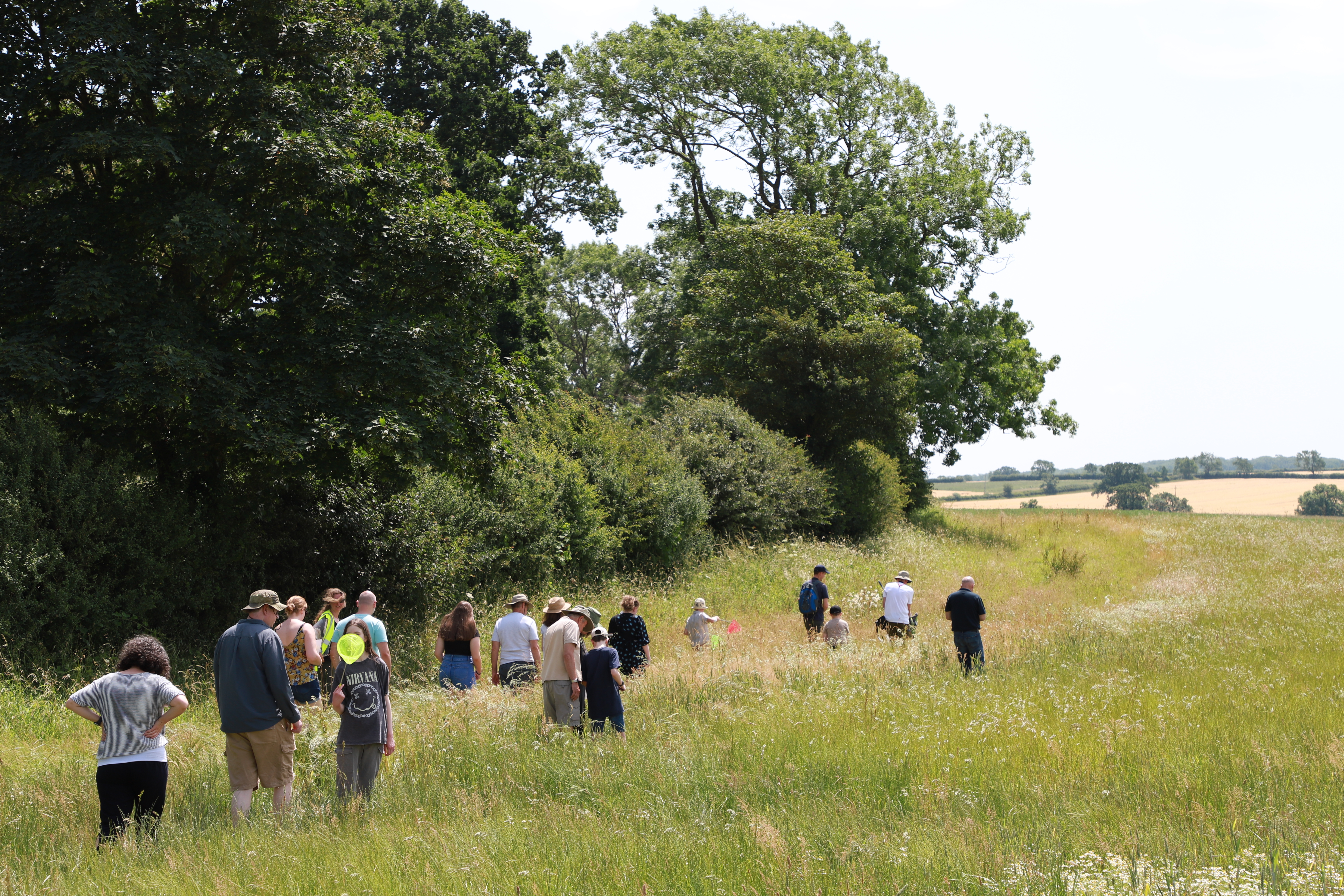
Boothby Wildland is not just recovering for nature - over 20.8km of permissive routes planned by 2027 will open the landscape to local communities, walkers, and nature enthusiasts. Photo credits: Nattergal
There are two main market mechanisms for financing biodiversity recovery in England - voluntary biodiversity credits and England’s biodiversity net gain framework. Understanding the distinction matters for landowners structuring a project, and for businesses deciding where to direct nature investment.
are financial solutions that represent a measurable, evidence-based unit of positive ecological impact. Businesses purchase these to fund nature - such as conserving a specific land area, protecting an endangered species, or restoring a degraded ecosystem over a fixed timeframe:
Credits are linked to projected biodiversity improvements over time.
Funding supports restoration, monitoring, and long-term land management.
Projects have greater flexibility in how nature recovery is approached, focusing on biodiversity outcomes rather than prescriptive habitat targets.
Credits are available in smaller parcels at more accessible price points, making them a practical entry point for businesses at any stage of their nature investment journey
Businesses can start with a single credit and scale their investment over time as biodiversity gains are evidenced.
According to the study, voluntary biodiversity credits may be particularly relevant for landscape-scale restoration because they focus on improving biodiversity outcomes over time, rather than requiring highly prescriptive habitat creation targets.
Using the Wallacea Trust framework, the team calculated Boothby's projected biodiversity gain to be worth an estimated £1.5 million in voluntary credits over 30 years. However, the research also found that voluntary biodiversity markets may not yet consistently generate enough funding to fully support large-scale restoration independently.
England's mandatory
system requires developers to leave habitats for wildlife in a measurably better state than before development - at least 10% better under current regulations:
Developments must leave biodiversity in a measurably improved state
Developers can purchase biodiversity units to offset impacts elsewhere
Habitat creation and management requirements are often more prescriptive
Unlike the voluntary market, the statutory system specifies the habitat types that must be created, which limits its suitability for process-led rewilding projects like Boothby.
The Cambridge study noted that BNG frameworks may, in some scenarios, generate higher economic value for restoration projects than voluntary biodiversity credits.
Using
, researchers estimated that restoring Boothby’s farmland to natural habitat could potentially generate substantially higher value over a 30-year period, although this would depend on market demand and all units being successfully sold.
The study suggests that:
VBCs may offer greater flexibility for long-term ecological restoration.
BNG frameworks may create stronger demand through regulation.
Both approaches depend on credible measurement, monitoring, and long-term stewardship.
Voluntary biodiversity credits and biodiversity net gain frameworks may need to work alongside one another to help support more effective, scalable, and long-term nature recovery outcomes.
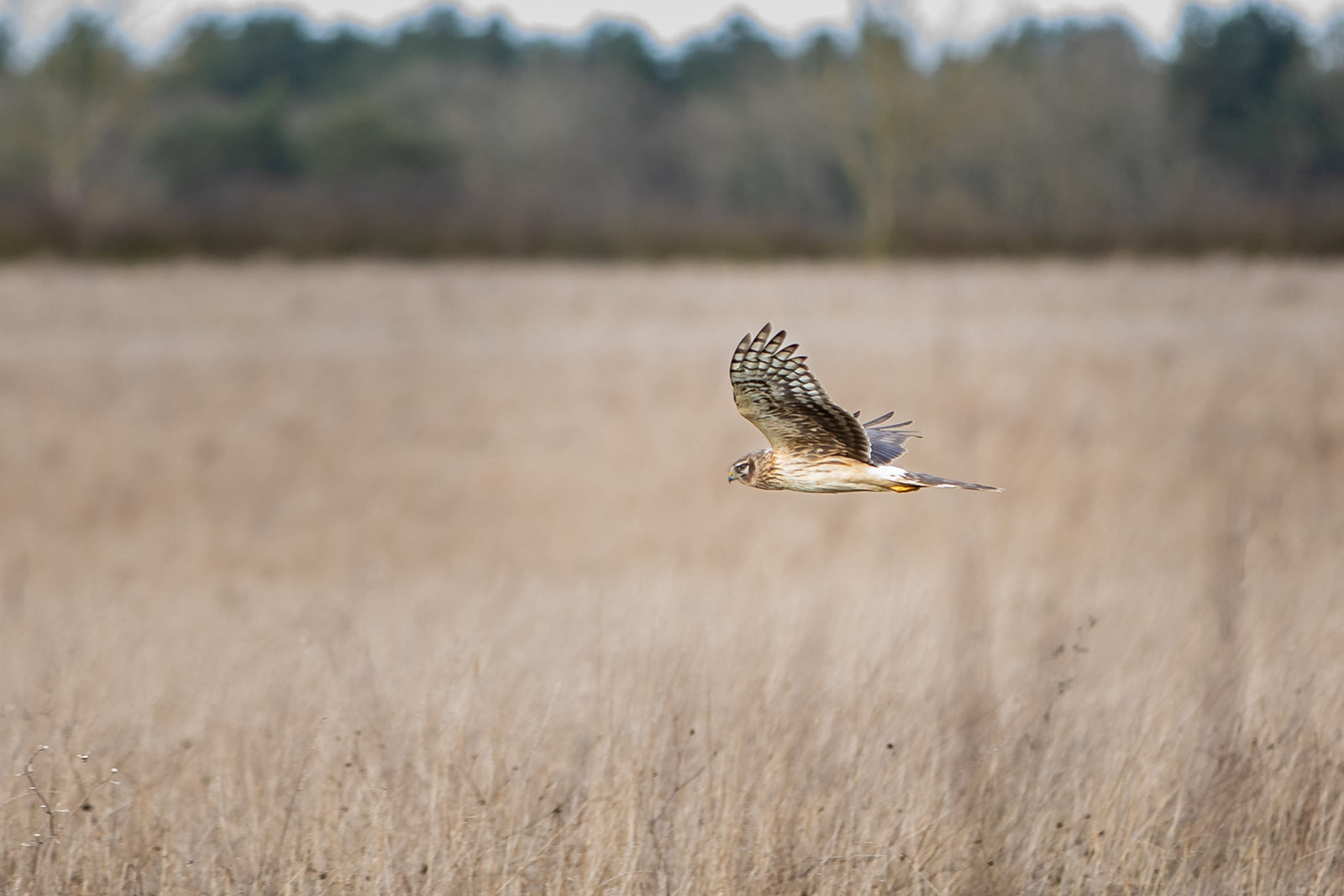
A hen harrier flying above Boothby Wildland, where habitat restoration and landscape-scale recovery efforts aim to support biodiversity and the return of species over time. Photo credits: Nattergal
The
identifies a $700 billion annual financing gap for nature. Public grants and natural capital markets alone cannot close it. Businesses can help bridge the gap through deliberate, long-term nature investment:
As the Cambridge study found, the gap between what voluntary credits currently raise and what restoration actually costs is fifteen times less. Closing that gap requires more buyers, better metrics, and sustained corporate commitment
Earthly's
, including Boothby Wildland, are available under both voluntary biodiversity credits and Biodiversity Net Gain units.
Businesses that invest in these projects are added to Earthly's
, providing transparent tracking of transactions and giving businesses the evidence trail that investors and disclosure frameworks require.
Many nature-based
generate measurable biodiversity outcomes alongside sequestration. Investing in carbon credits from these projects captures value across both markets and supports the blended funding model the Cambridge research identifies as essential.
Earthly's
methodology assesses every project on our marketplace on carbon, biodiversity, and people - across 160 data points. The projects also have recognised verification standards including Verra, Gold Standard, and Plan Vivo.
For businesses, that assessment depth means nature investment can be evidenced when reporting, reducing the reputational and financial risk that comes with investing in low-integrity credits.
Stacking means investing in both carbon and biodiversity credits - across different nature projects - as part of a deliberate nature investment strategy.
The Cambridge study is explicit: voluntary biodiversity credits are an important component of financing nature restoration, but only when combined with other revenue streams.
Earthly's
brings carbon and biodiversity projects together in one place, assessed against a consistent methodology.
For businesses managing nature-related commitments across different regions, ecosystems, and sustainability priorities, our marketplace helps simplify access to vetted restoration projects. Businesses also access supporting documentation, ecological methodologies, and monitoring information in one place - helping you evaluate opportunities more efficiently and build broader nature strategies.
The Cambridge study reinforces that while biodiversity and carbon markets may help direct funding toward ecosystem restoration, restoring landscapes at scale often requires long-term financial support that extends beyond short-term market cycles or one-off transactions.
Restoration projects may involve decades of habitat recovery, ecological monitoring, adaptive land management, and ongoing stewardship before full ecosystem benefits emerge. As a result, financing models that support earlier-stage project development and longer investment support these restoration timelines.
Earthly's
model allows businesses to enter projects at an early stage, securing credits ahead of issuance. For procurement teams managing carbon commitments under tightening supply conditions, locking in prices early reduces exposure to market price volatility and ensures access to high-integrity credits as demand increases.
is one of the projects on Earthly's marketplace, making this study directly relevant to how we think about nature investment and project financing.
Earthly is on a mission to protect or restore 1% of the planet by 2040 using nature finance.
To support that, we have built a suite of tools and frameworks to help businesses navigate nature investment with confidence: high-integrity nature-based projects on our marketplace, Keystone 3.0 assessment to support project integrity, and visualisation tools to help businesses understand, manage, and report on their nature action.
These efforts are also built to help businesses manage nature-related risk, respond to evolving disclosure requirements, and build diversified nature portfolios that help finance restoration at scale.
Your business can help fund the next Knepp; explore Boothby and other nature recovery projects on our
, or
to understand how nature investment can work for your business.
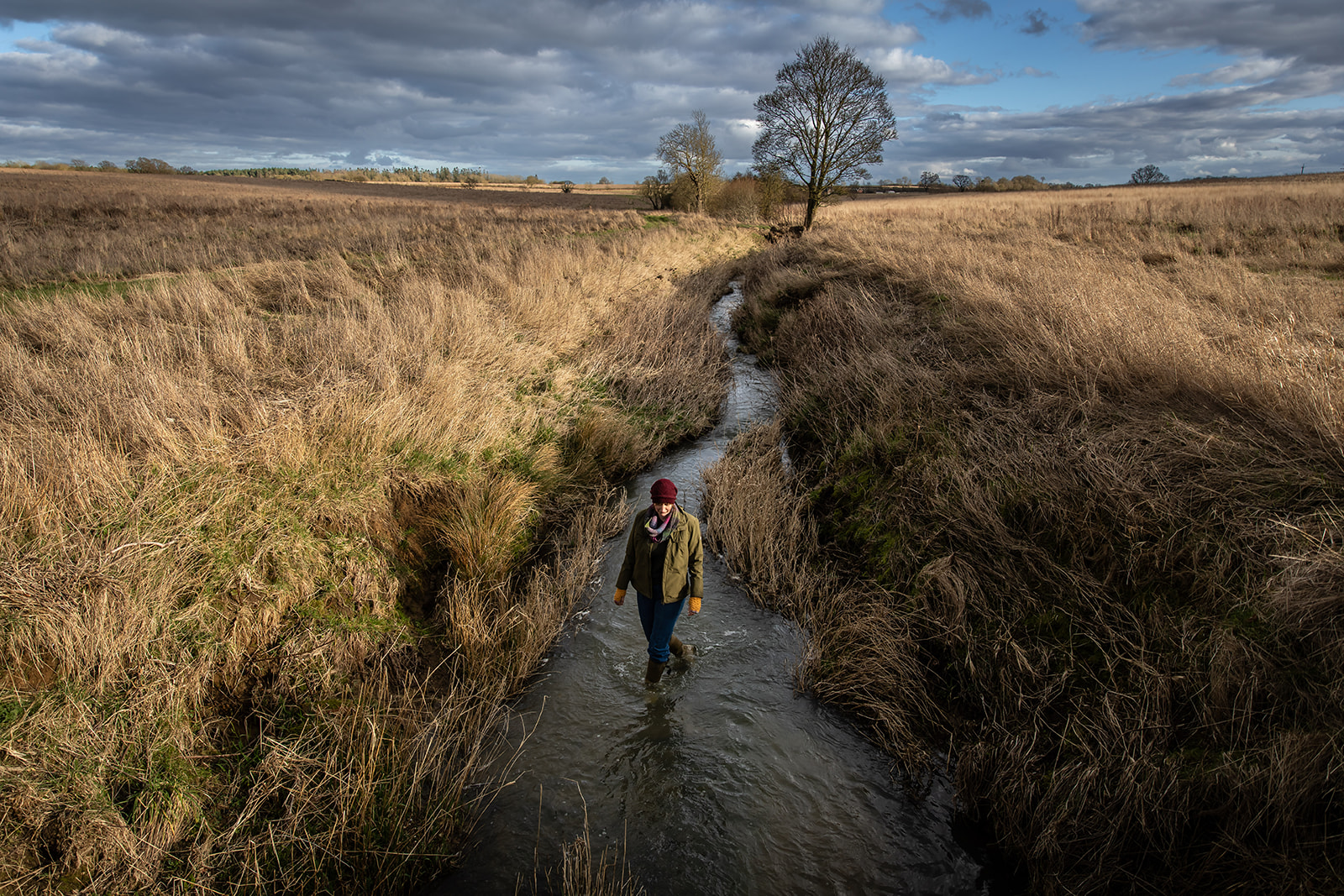
The West Glen River at Boothby Wildland - once canalised and disconnected from its floodplain, now being restored to slow water flow, rebuild natural hydrology, and reduce flood risk for surrounding communities. Photo credits: Nattergal
What are voluntary biodiversity credits?
Voluntary biodiversity credits are market-based instruments designed to help fund ecosystem restoration and biodiversity recovery projects.
What did the Cambridge study find?
The study found that biodiversity credits could support nature recovery, but may not currently generate enough funding to fully finance large-scale restoration independently.
Why was Boothby compared to Knepp?
Researchers used Knepp as a benchmark to estimate how biodiversity at Boothby Wildland could potentially recover over time under long-term restoration scenarios. Both projects are under the management of Nattergal, so there is an assumption that the learning, tactics and effective methods can be replicated.
What is the difference between voluntary biodiversity credits and BNG?
Voluntary biodiversity credits are purchased voluntarily, while biodiversity net gain (BNG) is a mandatory framework linked to development and planning requirements in England.
Related articles
13.10.2025
One year of businesses supporting biodiversity …
)
07.08.2025
Our most commonly asked questions about Voluntary biodiversity credits in 2025. …
)
19.06.2025
As more businesses step up to support nature, Earthly’s biodiversity credit ledger is offering a new …