Blending cultural connection with scientific stewardship in Mayab, Mexico

Indigenous leadership and community-led initiatives are driving climate, biodiversity and social impact in Quintana Roo.

Jenny Hyndman

Jenny Hyndman

26 Feb, 2025

Loading...
Blending cultural connection with scientific stewardship in Mayab, Mexico

Mexico’s Mayab region is home to vast tropical forests, rich biodiversity and communities whose livelihoods are deeply connected to the land.

The Forest Management and Reforestation project in Mayab

, Mexico exemplifies how community-led improved forest stewardship can generate high-quality carbon removals while safeguarding biodiversity, strengthening ecosystem resilience and advancing local wellbeing.

TL;DR - Key Takeaways

  • 23,435 ha community-led forest management and reforestation project.

  • Sustainable forestry certified under Forest Stewardship Council standards.

  • Protects habitat for endangered species like jaguar and spider monkey.

  • Integrates social benefits, capacity building and gender inclusion.

  • Earthly Score: 6.9

    (Carbon: 6.7, Biodiversity 6.9, People 7.0)

Precious tropical forests of the Yucatán Peninsula

Place yourself in a forest where every tree tells a story - of ancient ecological rhythms, cultural heritage and a community’s commitment to nurturing its land for generations to come. In the Mayab region of Mexico’s Yucatán Peninsula a mosaic of lush tropical forest stretches across tens of thousands of hectares, rooted in tradition yet steered by modern sustainable forest management practices. Here, the community of Ejido Caoba blends deep cultural connection with scientific stewardship to deliver an enduring nature-based climate solution.

A closer look at the forest management project in Mayab

The Forest Management and Reforestation project spans approximately 23,435 hectares in Ejido Caoba, located in Quintana Roo within the broader Mayab region of the Yucatán Peninsula, Mexico. This long-term initiative (2021–2121) is developed by EarthLab and led by the local ejido - a collective land-holding community with ancestral ties to the forest.

At its core, the project combines Improved Forest Management (IFM) with native reforestation, striving to generate high-quality carbon removals while enhancing biodiversity and supporting local social development. Sustainable timber harvesting adheres to

Forest Stewardship Council

(FSC) guidelines, ensuring that ecological integrity and ecosystem functions are maintained over decades.

This project’s utilisation of a 25-year polycyclic management system ensures that forest cover remains continuous, and areas opened by selective harvesting are replanted with native species such as mahogany, chicozapote and tzalam.

Climate impact: carbon removals and resilience

The primary climate benefit of this project arises from its capacity to remove carbon dioxide from the atmosphere through forest growth and sustained biomass accumulation. Unlike traditional avoided-deforestation credits, this initiative credits measurable forest growth achieved through conscientious management and regeneration.

By reinforcing community-based forest governance and implementing active fire management, surveillance committees and restoration activities, the project also reduces the risk of forest degradation in a region facing accelerating deforestation pressures spurred by tourism, agricultural expansion and illegal logging.

The robust monitoring of forest change - including satellite-derived assessments of vegetation cover - supports transparency and confidence in the project’s climate impact over time.

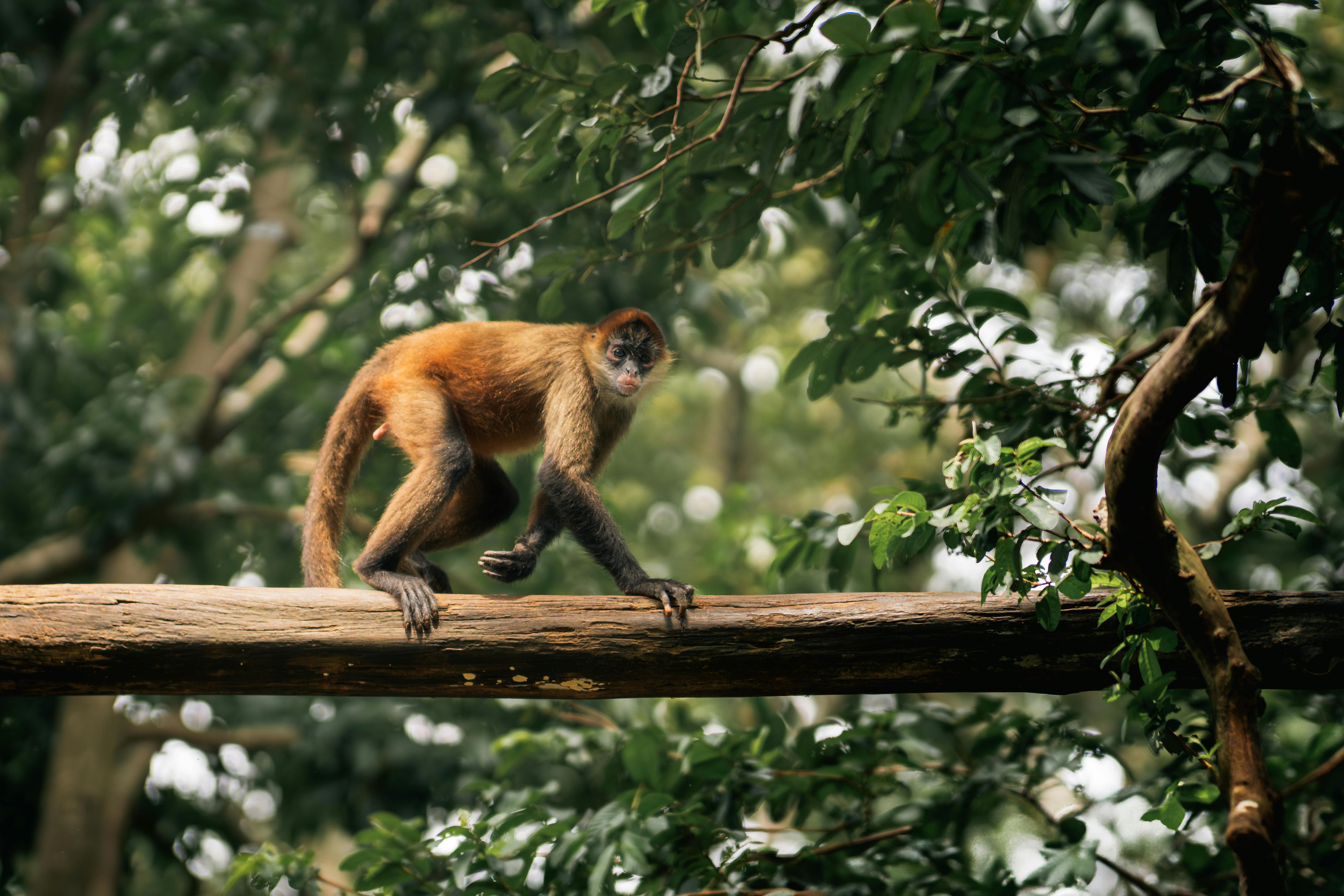
Spider monkey

A Geoffroy’s spider monkey in the Quintana Roo forest. Credit: EarthLab

Biodiversity benefits: habitat protection and connectivity

The Mayab forest lies within a highly biodiverse landscape that forms part of the Mesoamerican Biological Corridor, linking major reserves such as Sian Ka’an and Calakmul. This connectivity is critical for wide-ranging fauna and contributes to long-term ecosystem resilience.

Within the project area, a rich array of native tree species thrives - over 120 have been documented - forming habitat for fauna including jaguars, Morelet’s crocodile and Geoffroy’s spider monkey, species recognised as threatened or endangered by the IUCN.

Active biodiversity conservation - through sustainable harvesting practices, native reforestation and protective measures against fires and illegal logging - ensures that ecological functions are maintained and strengthened across the landscape.

Social impact: community empowerment and resilience

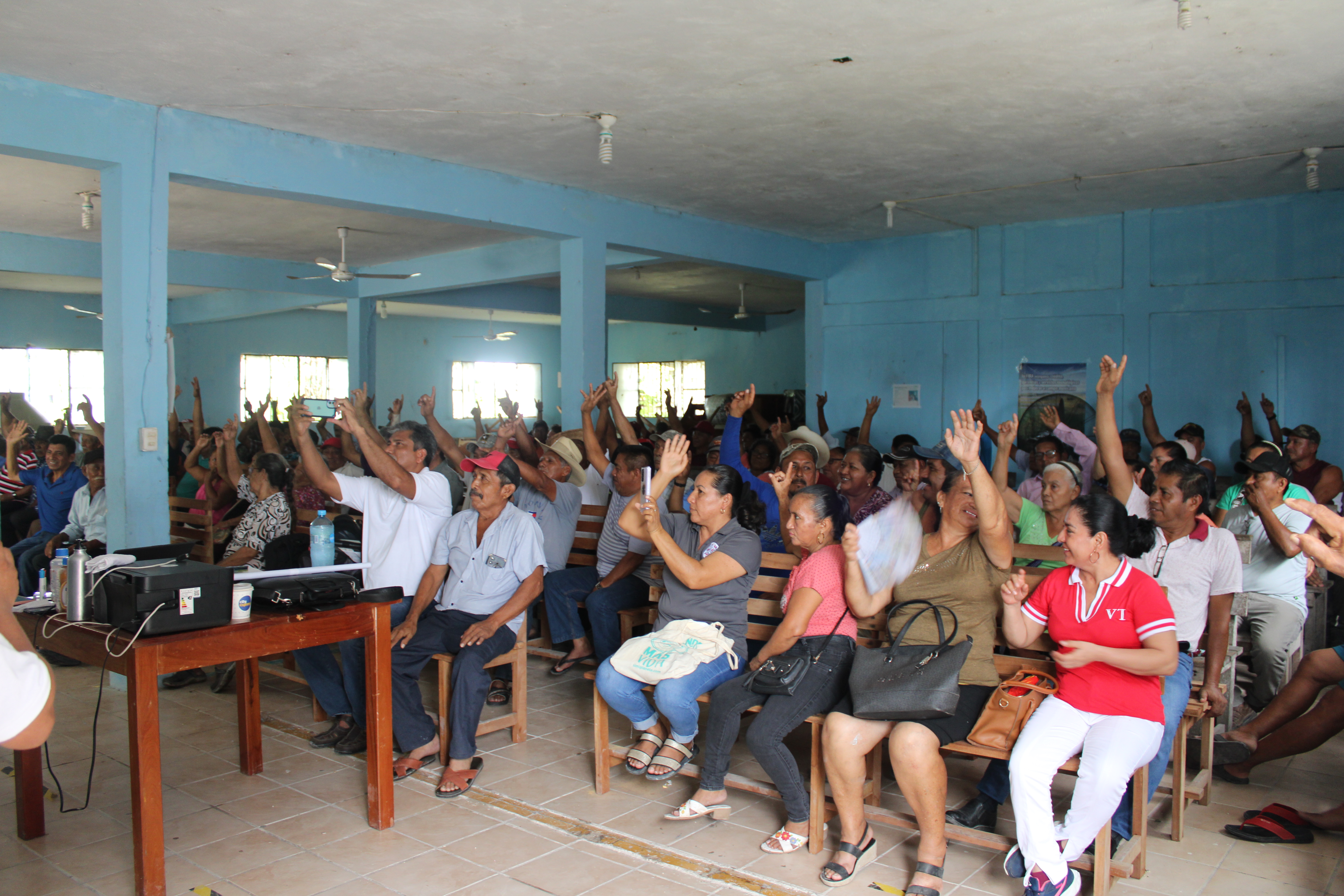
One of this project’s most compelling aspects is its community-led governance model. Ejido Caoba’s 323 registered members hold secure land tenure rights and participate in decision-making through regular assemblies, ensuring inclusive and equitable governance.

The economic benefits are tangible and diverse. Revenues from early credit sales are being reinvested into community priorities, including the rehabilitation of a women’s carpentry workshop and financing transport for local products advancing gender inclusion and economic diversification.

A dedicated Social Fund supports scholarships, healthcare, cultural activities and education, reflecting a holistic view of community wellbeing. Training programmes in species identification, climate change, IT skills and social safeguards build local capacity and empower communities to steward their landscape with knowledge and confidence.

Why this nature project stands out

Several attributes distinguish the Mayab project within Earthly’s portfolio of nature-based solutions:

  • Strong community ownership and governance

    , with equitable participation and direct benefits.

  • Sustainable land management

    guided by internationally recognised FSC standards.

  • Holistic impact

    spanning climate, biodiversity and livelihoods.

  • Measured carbon removals

    , verified through robust monitoring and conservative crediting approaches.

These characteristics reflect Earthly’s commitment to quality and integrity, aligning with the

Keystone 3.0 assessment framework

that rigorously evaluates projects across carbon, biodiversity and people pillars to ensure meaningful, lasting impact.

Why businesses should support this project

For sustainability leaders and chief sustainability officers, supporting the Mayab project offers multiple strategic advantages:

  • Credible carbon removals

    that bolster net-zero and climate strategies.

  • Biodiversity outcomes

    that complement corporate nature positive goals.

  • Tangible community benefits

    that demonstrate authentic social impact.

  • Alignment with high-integrity standards

    , enhancing ESG reporting and stakeholder trust.

Investing in projects like this enables businesses to go beyond traditional offsetting - contributing to systemic ecological and social regeneration.

Helping Mayab thrive as part of your strategy

Earthly views the Forest Management and Reforestation project in Mayab as a standout example of how nature-based solutions can concurrently address climate change, biodiversity loss and social equity. Its holistic, evidence-based approach makes it a compelling addition to climate-forward corporate strategies.

Businesses seeking to strengthen their sustainability portfolios, meet ambitious climate goals and support meaningful ecological and social outcomes are encouraged to engage with us to explore partnership opportunities.

Get in touch

to discuss how this project - or other high-integrity initiatives in Earthly’s

marketplace

- can advance your climate and nature commitments.

Asamblea_Caoba 1

The Ejido Caoba’s 323 registered members uphold a community governance system. Credit: EarthLab

FAQs

What is Improved Forest Management (IFM)?

Improved Forest Management (IFM) refers to forest stewardship practices that increase carbon sequestration and conserve ecological value above business-as-usual forestry operations.

Where is the Mayab project located?

The project is located in Ejido Caoba in Quintana Roo on Mexico’s Yucatán Peninsula, within the culturally rich Mayab region.

How does this project support biodiversity?

The initiative protects habitat for native flora and fauna, including endangered species, through sustainable harvesting, reforestation and active risk mitigation measures.

How are local communities involved?

Local ejido members manage the land collectively, participate in governance, and directly benefit from revenue-sharing, education, capacity building and social programmes.

Why is local governance important for nature-based solutions?

Local governance ensures that project design and implementation reflect community needs, increases long-term stewardship, and supports socially equitable outcomes that enhance resilience.