Europe’s regenerative agriculture revolution

A scalable, climate-positive farming project is revitalising soils across France, Belgium, and the UK.

Jenny Hyndman

Jenny Hyndman

04 Mar, 2026

Loading...
Europe’s regenerative agriculture revolution

This

agricultural land management project

demonstrates how regenerative agriculture can deliver measurable climate, nature and community benefits at scale across Europe - empowering farmers while helping businesses meet sustainability goals with high-integrity carbon certificates.

TL;DR

  • First multinational regenerative agriculture carbon programme in Europe

  • Enhances soil health, biodiversity and water resilience

  • 1,800 farmers supported with agronomic guidance

  • 720,000 tonnes of CO₂e reduced or removed so far

  • 500,000 hectares of farmland impacted by regenerative practices 

  • Nearly €16M distributed to farmers

  • Earthly Project Score: 6.8

A new model for European farming

The mission of this project imagines the vast, rolling patchwork of input-intensive conventional farming transitioning to regenerative processes that nurture soil life, support wildlife and store carbon - all while sustaining farm productivity. But this is not a future vision - it’s happening now. As society searches for credible,

nature-based climate solutions

, this project offers a replicable blueprint for businesses and communities to co-create positive outcomes for climate, nature and rural livelihoods.

What is the Improved Agricultural Land Management Project?

This climate change mitigation project for arable farming is

Europe’s first multinational, certified carbon payment programme

dedicated to regenerative agriculture. It operates across France, Belgium and the UK, supporting farmers to

adopt and maintain regenerative practices

over long-term crediting cycles.

Participants commit to five-year crediting cycles (renewable up to four times) followed by a ten-year retention period - ensuring durable, long-term climate and ecological benefits from soil carbon build-up and emissions reduction.

Improved Agricultural Land Management - Europe 6

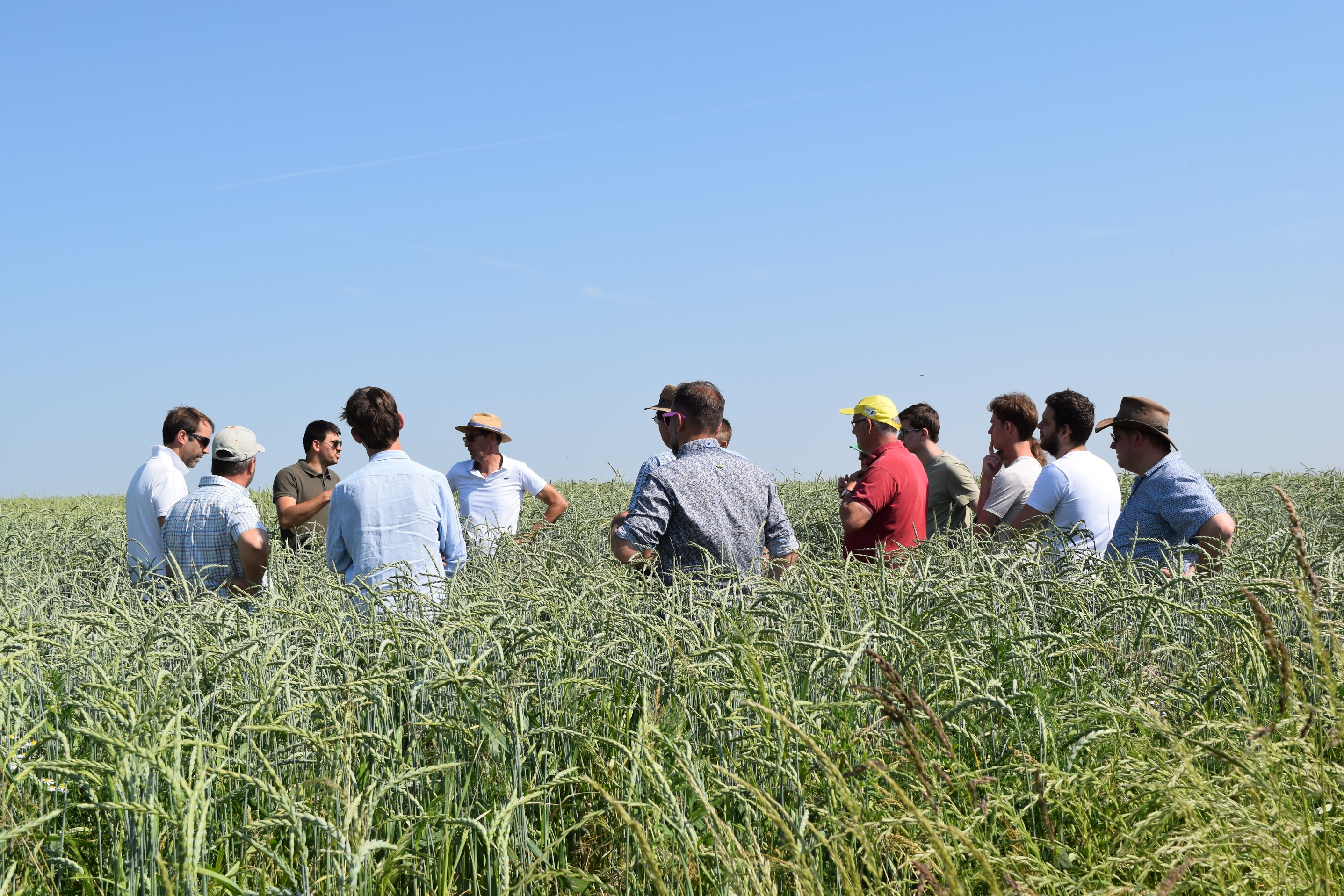
Farmers across France, Belgium and the UK are transitioning to regenerative practices that restore soil organic carbon and support biodiversity at scale. Image credit: Soil Capital

The regional context: Why this matters in Europe

Conventional farming still dominates much of Europe’s agricultural landscape: in France and Belgium, over

88 %-92 % of farms are conventional systems

with only a small fraction practising regenerative agriculture. The UK shows slightly higher regenerative uptake - yet still under 10 % in total.

These figures underscore a huge opportunity: transitioning mainstream agriculture toward regenerative systems can restore degraded soils, increase biodiversity, improve water retention, and reduce dependency on chemical inputs - while also creating new revenue streams for farmers.

High-integrity outcomes for people, climate and biodiversity

Earthly are delighted to welcome this project to our marketplace, thanks to its measurable benefits verified through our assessment:

  • 720,000 tonnes of CO₂e reduced or removed

    since the beginning of the project

  • 500,000 hectares of farmland are being influenced

    toward regenerative practice

  • 1,800 farmers engaged

    with financial and agronomic support

These outcomes highlight that regenerative agriculture can deliver real, verifiable climate mitigation while strengthening resilience across landscapes that are central to Europe’s food system.

How regenerative farming practices drive change

The project promotes a suite of science-backed agronomic approaches, like:

  • Reduced or zero tillage

    to preserve soil structure and increase carbon storage

  • Diversified crop rotations and cover crops

    that feed soil biology and suppress erosion

  • Agroforestry and livestock integration

    to build ecological complexity and nutrient cycling

These practices rebuild soil organic carbon (SOC), improve water retention, reduce synthetic input use and generate a cascade of ecosystem benefits - from supporting beneficial insects to strengthening drought resilience.

Supporting people and rural resilience

Beyond emissions and ecosystems, this project embodies climate-aligned rural development. Participating farmers receive tailored agronomic support that reduces risk during transition, lowers long-term production costs and opens new income via the sale of high-integrity carbon certificates.

This model strengthens farm livelihoods, reduces reliance on external inputs, and fosters community capacity - all of which are critical elements of sustainable land management and rural resilience.

Improved Agricultural Land Management - Europe 6

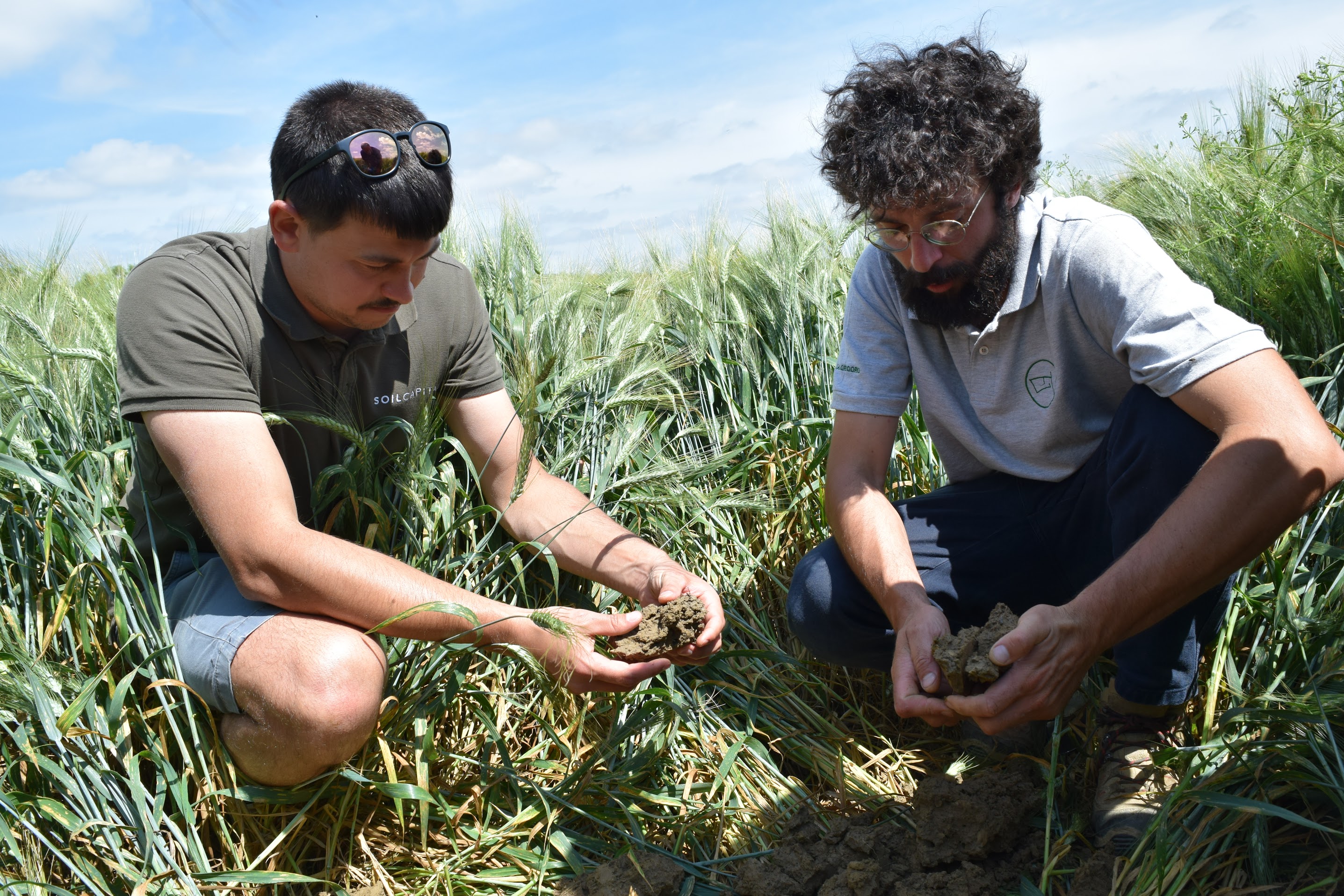
61% of EU agricultural soils are in a degraded state, measured by organic carbon loss, erosion, and declining biodiversity. This project helps reverse soil degradation by helping farmers rebuild soil carbon, restore biodiversity, and strengthen long-term farm resilience. Image credit: Soil Capital

Why Earthly think this project stands out

This project is exemplary on several fronts. Firstly, its multinational scale is uniting actions across three major European farming regions and its long-term commitment is securing multi-decade crediting and retention to ensure durability of the project across the regions.

The project demonstrated strong, holistic performance across Earthly’s carbon, biodiversity and people pillars, achieving an overall score of 6.8.

Specifically, we love how farmer-centric this project it: rooted in practical, economically viable farm system redesign that is appealing to farming communities who are stewards of the land.

This combination of feature makes it a high-integrity, scalable example of how agriculture can transition toward regenerative models that benefit climate and communities alike.

Why businesses should support regenerative agriculture

For sustainability leaders responsible for businesses that want to support biodiversity and the economy of an international scale, this project offers:

  • Verified outcomes:

    Transparent, Earthly-assessed climate and biodiversity impact

  • Alignment with corporate climate and nature goals:

    Supporting regenerative agriculture aligns with net-zero targets and nature strategies.

  • Social value:

    Strengthening rural livelihoods directly contributes to social sustainability frameworks.

  • Narrative strength:

    Investing in solutions that regenerate landscapes enhances stakeholder trust and brand credibility.

  • Targeted Support

    : Companies outside the food value chain can support farmers on crops that are less valued by the market (i.e., legumes) but essential to a successful regenerative transition.

In a context where stakeholders increasingly demand credible climate action, this project represents a meaningful way for companies to scale impact beyond internal abatement efforts.

Earthly’s view

At Earthly, we believe the Improved Agricultural Land Management project exemplifies what high-integrity, nature-based action looks like: measurable climate benefits, strengthened biodiversity, and real, lasting support for rural communities.

We’re excited to introduce this project to our

marketplace

and to partner with businesses seeking to amplify their impact.

Whether you’re exploring carbon certificate investments or shaping a wider climate and nature strategy, we’d love to talk about how this initiative - and others like it - can help you achieve your goals.

Get in touch

with our team to discuss supporting this project or building a bespoke portfolio that accelerates your sustainability journey.

Improved Agricultural Land Management - Europe 8

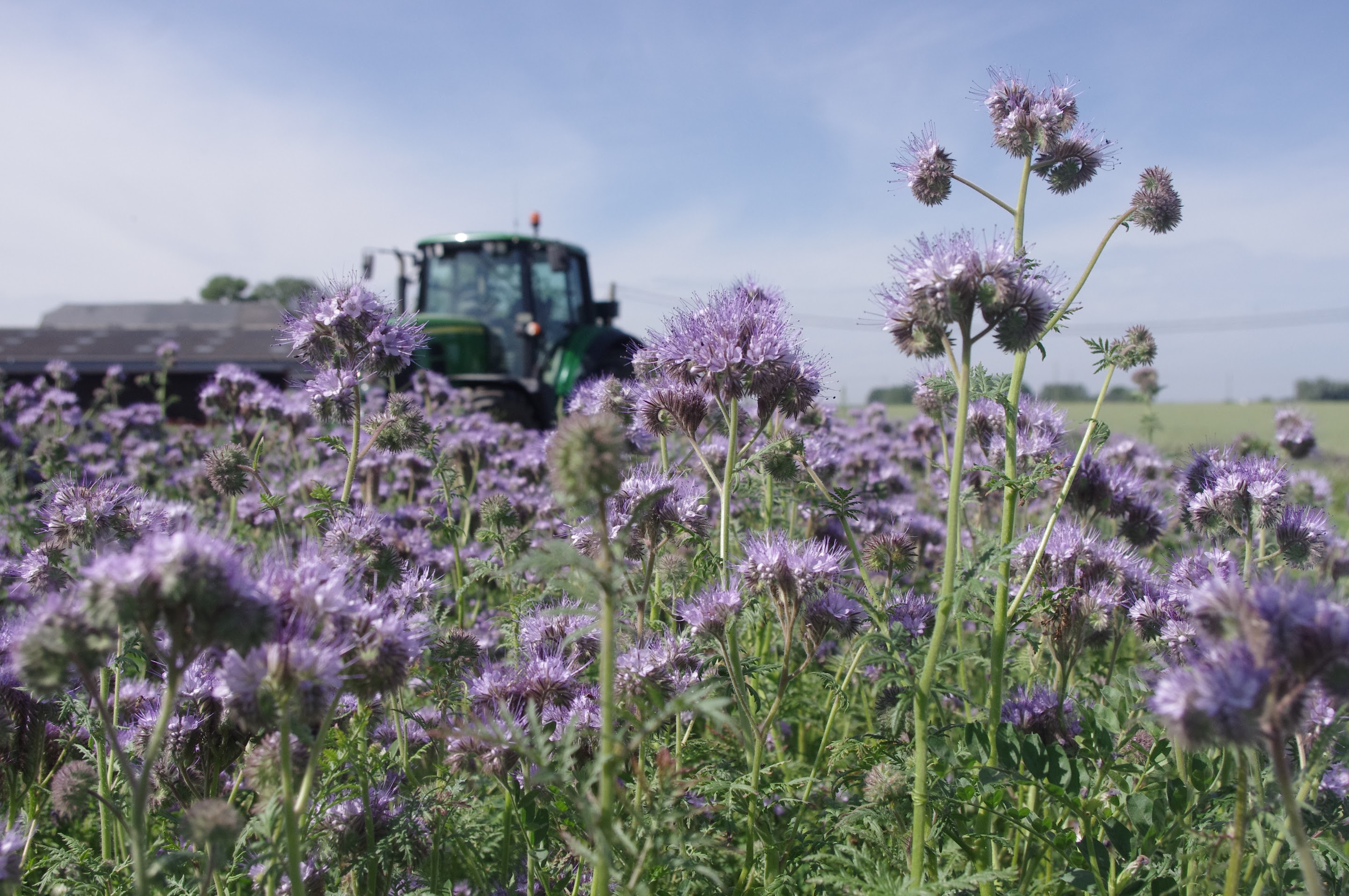
Regenerative agriculture can increase soil organic matter by 1-2% annually, boost crop yields by 10-20%, and raise farm profitability by up to 120% while cutting pesticide use by up to 75%, and avoiding 15-23 gigatons of greenhouse gas emissions. A big win for climate, biodiversity and farming communities. Image credit: Soil Capital

FAQs

What is regenerative agriculture?

Regenerative agriculture refers to farming practices that rebuild soil health, enhance biodiversity, improve water cycles and sequester carbon, moving beyond sustainability toward ecological regeneration.

How do regenerative practices reduce emissions

Practices like reduced tillage, cover cropping and diversified rotations increase soil organic carbon and lower greenhouse gas emissions by reducing synthetic input use and enhancing natural nutrient cycles.

Why is soil organic carbon important?

Soil organic carbon improves soil structure, water retention and fertility while storing carbon that would otherwise contribute to atmospheric greenhouse gas concentrations.

What makes this project high integrity?

This project combines certified methodologies and measurable outcomes reviewed against Earthly’s holistic assessment across carbon, biodiversity and social, ensuring robust, transparent results.

Who benefits beyond climate?

Farmers receive agronomic support and new revenue streams, landscapes gain ecological resilience, and communities benefit from strengthened rural economies.