
The 2027 CSO Survey:
10 questions, 60 seconds, industry insights uncovered

Priorities, projects and pricing...
What are sustainability teams planning for 2027?
Description here - eg summarise our why and what CSOs can learn from the results.
note it is anonymous, and they can access the results before they are gated etc
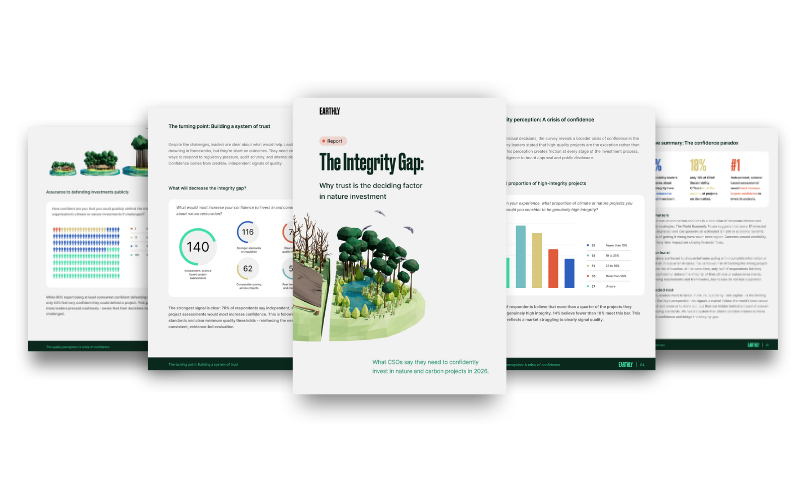
Our 2026 report: The Integrity Gap
This survey was conducted to understand how concerns about project integrity are influencing real-world investment decisions in nature and carbon markets.
We asked respondents a series of questions focused on three areas: how integrity concerns affect investment decisions, how leaders perceive the overall quality of available projects, and what would most increase their confidence to invest. The aim was not to measure intent alone, but to understand where and why action is breaking down.
58%
Of sustainability leaders say concerns about project integrity have delayed, reduced or prevented investment.
18%
Only 18% of Chief Sustainability Officers trust the majority of nature or carbon projects on the market.
#1
"Independent, science-based assessments" would most increase buyer confidence to invest in projects.

View the 2026 report
Access our the report which features all the survey questions, responses and data.
Read last edition's blog
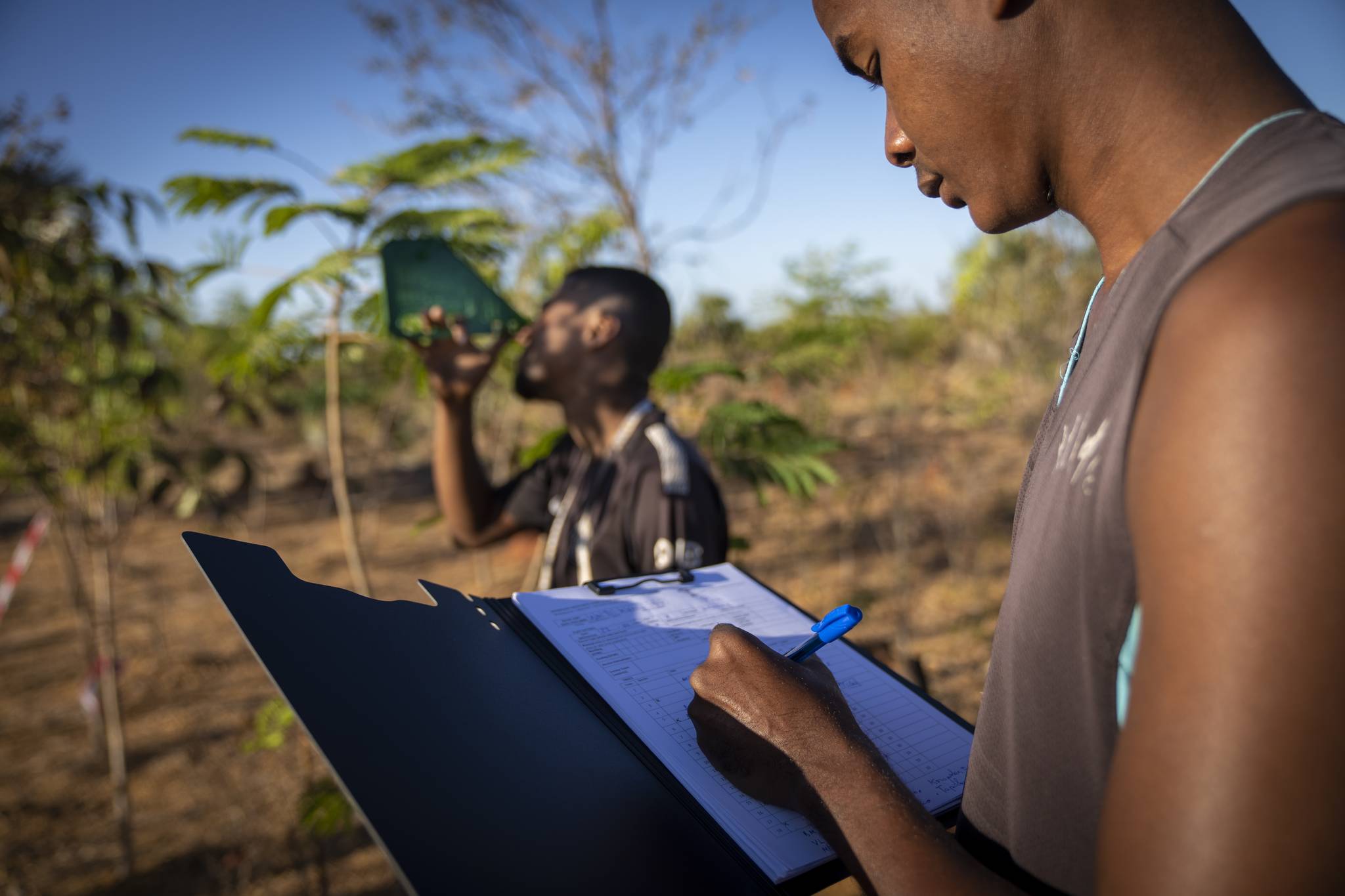
Explore our analysis of the survey results in this article from the Earthly team.
Learn more ->
Ask us a question
Talk to our experts about project integrity and sustainability-risk management.
Contact us ->Earthly undertook this research against the backdrop of five years of assessing nature-project quality through Keystone 3.0, our project assessment framework across carbon, biodiversity, and people integrity. We have independently screened more than 1,000 nature projects and found that fewer than 9% meet minimum quality standards for environmental integrity, social safeguards, or long-term climate and biodiversity impact. This raises an important question: are the concerns we see in project data reflected in the experiences of decision-makers?
These surveys are providing clear answer - and a clear signal for change.