)
Innovation and tech
14.05.2026
The evolution of Keystone: Earthly’s best-in-class nature project assessment
The voluntary carbon market has changed a lot since 2020. Consequently, so has the way we assess projects. …

)
The biodiversity pillar in
evaluates whether nature-based projects genuinely restore ecosystems, not just carbon stocks. It assesses ecological baselines, intervention suitability, monitoring quality (MRV), measurable biodiversity outcomes, and long-term resilience to ensure projects deliver credible, nature-positive impact backed by robust evidence.
TL;DR
Ensures nature-based solutions put ecosystem health and species recovery at the centre.
A stronger, more detailed biodiversity assessment and evidence-weighted scoring.
Projects are evaluated across eight sections, from baseline credibility to resilience against future risks.
The pillar checks what is being restored, how recovery is measured, and whether outcomes will last.
Strong biodiversity performance helps businesses support high-integrity nature projects and avoid “carbon-only” restoration claims.
Investment in nature-based solutions is growing rapidly but, too often, restoration claims focus primiarly on carbon, overlooking whether the ecosystems around these projects are actually becoming more biodiverse, self-sustaining, and resilient in the long term.
At Earthly, we address this challenge through our project assessment framework, which evaluates nature-based projects holistically across three pillars: carbon, people and biodiversity. Each pillar is underpinned by robust indicators that assess both the depth of impact and the confidence in the supporting evidence.
As nature-based solutions evolve and scientific understanding deepens, so too must the way we define and assess project quality. Over the past year, Earthly's Research Team has evolved our assessment criteria to create Keystone 3.0: the next generation of nature-project assessment and a major step forward in how quality is defined.
digs deeper than ever into the biodiversity pillar, ensuring nature-based solutions truly place nature at their core.
Biodiversity
refers to the diversity of life at genetic, species, and ecosystem levels, and is a foundational indicator of ecosystem health and resilience. A robust biodiversity assessment evaluates the presence of species and also how ecosystems function, recover, and sustain themselves over time.
Biodiversity is central to Earthly’s three-pillar framework, and is intricately connected to both the carbon and people pillars.
Healthy, biodiverse ecosystems regulate the climate, filter water, enrich soils, and sustain the complex food webs that life depends on. For people, this translates into food security, health and economic resilience.
When it comes to carbon, ecosystems such as mangroves, forests, and peatlands play a critical role in capturing and storing carbon. Their natural structure and functions also strengthen the resilience of landscapes to buffer against the growing impacts of climate change.
Despite its importance, global biodiversity is under severe threat. According to IPBES, up to
species face extinction, many within decades, due to land-use change, overexploitation, climate change, pollution and invasive species. Deforestation, agricultural expansion, and urbanisation also continue to erode the natural systems that sustain us.
Recognising this crisis, the
calls for the protection and restoration of at least 30% of the planet’s land, inland waters, and oceans by 2030. However, achieving this goal requires closing an estimated $598 billion annual financing gap.
At Earthly, we’re helping to bridge this gap with our Keystone 3.0 Assessment, which identifies and channels finance toward nature-based solutions that meaningfully support nature protection and recovery.

Mangroves protect coastal communities from storms and flooding, improve water quality, provide nurseries for marine life, and store vast amounts of carbon in their waterlogged soils.
Restoring biodiversity is inherently complex because biodiversity itself is multi-layered - spanning genes, species, and ecosystems - with each layer interacting to shape how the ecosystem functions.
Oversimplified restoration approaches, such as monoculture plantations, often fail to capture this complexity. Instead of fostering resilience, they can create ecosystems that are more vulnerable to disease, pests, and the stresses of a changing climate.
Recognising this, Keystone 3.0 significantly expands the biodiversity pillar with new sections and refined indicators designed to capture the full spectrum of ecological quality and environmental risks.
The indicators assess key dimensions such as the suitability of restoration interventions, the quality of monitoring, and the long-term resilience of ecological outcomes. The indicators are adaptive, adjusting to the intervention type and project stage to ensure relevance and accuracy.
Together, these enhancements ensure we evaluate what is being restored, how well ecosystems are recovering, and how resilient they are to future changes.
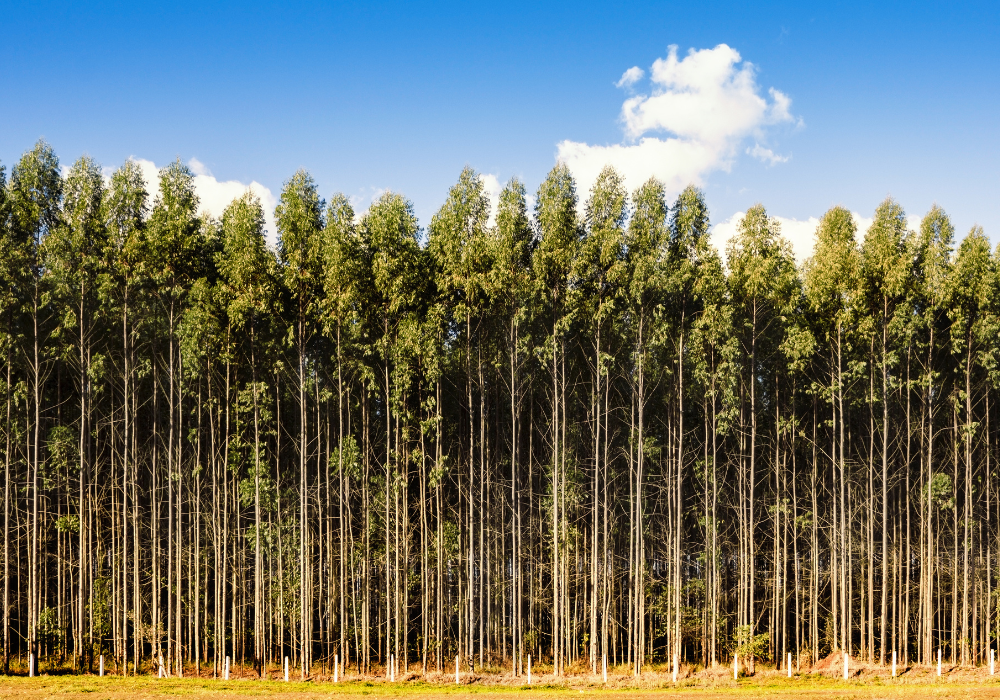
Monoculture plantations can reduce biodiversity, deplete water resources, degrade soil health, and increase vulnerability to pests and diseases - providing a false climate solution by prioritising fast carbon sequestration over ecosystem resilience.
The biodiversity pillar in Keystone 3.0 is built around eight key sections, each encompassing a set of indicators.
The eight key sections in Keystone 3.0 biodiversity pillar are as follows:
Benchmark:
Assesses the credibility and completeness of the project’s ecological baseline conditions and environmental pressures. Satellite verification is used to validate baseline accuracy.
Beyond business-as-usual:
Examines whether project activities truly go beyond what would happen without the intervention, identifying both financial and non-financial barriers to action.
Suitability and risks:
Evaluates whether interventions are appropriate for the site and its biodiversity context, reviewing feasibility studies, pilot results, and environmental impact assessments. This section also looks at project design quality, such as the use of native species, avoidance of invasives, and adaptation to future conditions.
Measuring, Reporting and Verification (MRV)
: Assesses the robustness of the project’s monitoring systems, including what indicators are tracked, how often, and using which tools and sampling designs.
Impact:
Analyses evidence of measurable outcomes in biodiversity, ecosystem function, and habitat health over time.
Water:
Examines how project activities affect water systems, recognising water as a vital link between biodiversity, carbon, and community outcomes.
Spillover:
Explores both positive and negative indirect effects. Positive spillovers are indirect improvements to biodiversity beyond project boundaries, while negative leakage refers to the displacement of degradation elsewhere. We assess how projects identify and mitigate leakage risks.
Resilience:
Assesses how projects safeguard ecological gains against long-term pressures. To strengthen this assessment, Earthly is developing a geospatial monitoring system to detect non-permanent risks such as fire and deforestation near real-time, ensuring continuous accountability.
Every indicator is evaluated using a dual scoring system combining maturity and confidence.
The maturity score (ranging from 0 to 4) measures how effectively the project has addressed a given indicator based on the available information.
The confidence score evaluates the reliability and depth of the supporting evidence, ranging from limited or self-reported data to verified third-party and satellite-backed evidence. In Keystone 3.0, confidence carries greater weight, reinforcing our emphasis on transparency and data integrity.
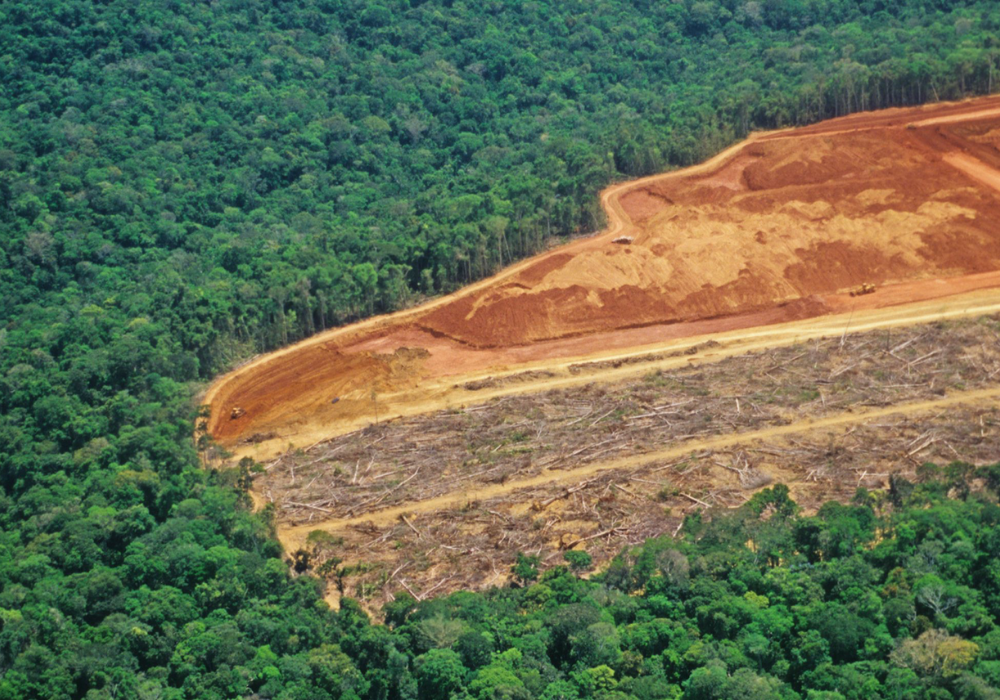
Negative leakage happens when protecting or restoring one area unintentionally pushes destructive activities elsewhere, thereby diminishing the project’s net biodiversity benefits. Earthly monitors this risk through an ongoing geospatial analysis.
give businesses and individuals a tangible way to address their '
nature footprint'
by directly supporting the restoration and protection of ecosystems.
are inspired by the UK’s
, which currently allows property developers in England to purchase BNG units. To make biodiversity investment more accessible, Earthly divides certified BNG units into smaller, lower-cost parcels of 3 x 3 m².
Every credit sale is recorded on
, which integrates What3Words technology to uniquely map each 3x3
m²
, preventing double-counting and overlap. Each credit is also secured for 30 years, ensuring long-term ecological benefits.
Through this approach, Earthly bridges the gap between regulated biodiversity markets and the voluntary space, enabling any business, organisation or individual to support biodiversity recovery transparently and meaningfully.
Our Keystone 3.0 assessment plays a crucial role in this system. It rigorously evaluates biodiversity credit projects, analysing hundreds of data points to assess ecological integrity, additionality, and long-term resilience. This ensures that Earthly partners only with the highest integrity biodiversity projects, and that every Earthly VBC represents genuine, measurable impact.
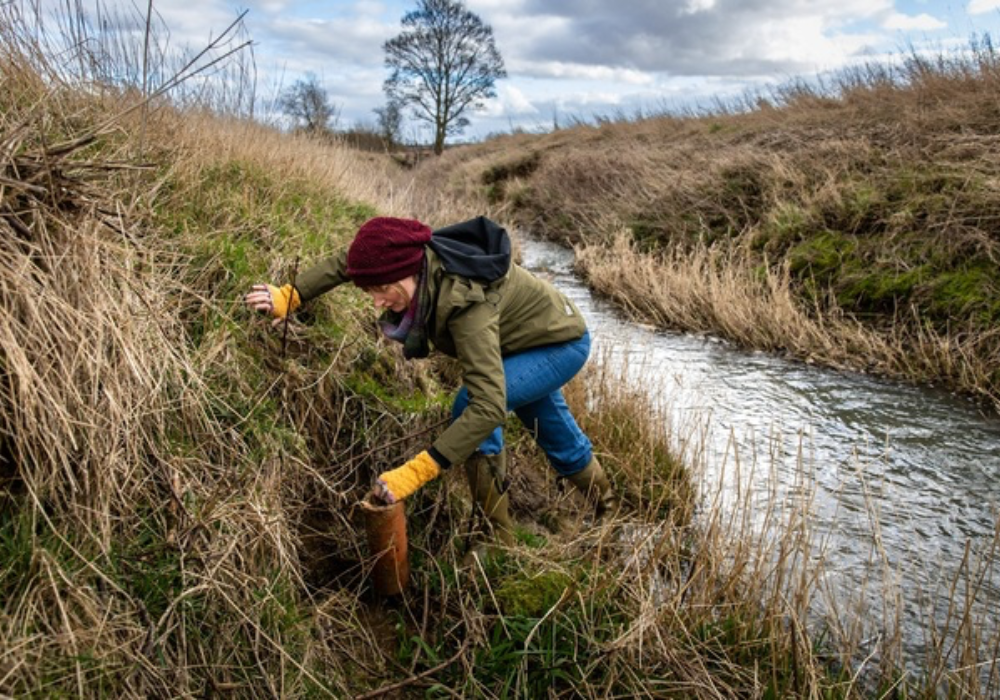
River restoration preparations at Boothby Wildland, the first biodiversity VBC project assessed under Earthly’s 3.0 framework.
As biodiversity becomes central to climate strategy and sustainable companies need credible ways to measure and demonstrate their impact on nature:
Alignment with global frameworks:
Supports Environmental, Social and Governance (ESG) and Taskforce on Nature-related Financial Disclosures (TNFD) reporting through measurable, evidence-based indicators for nature-related impact and risk.
Beyond carbon:
Enables companies to demonstrate genuine
nature-positive
outcomes, restoring ecosystems, not just offsetting emissions.
Resilient value chains:
Protecting biodiversity strengthens supply chains, preserves natural capital, and reduces exposure to climate and resource risks.
Reputation and leadership:
Positions businesses as regenerative, future-fit leaders in sustainability and innovation.
Market momentum:
Investor and corporate interest in biodiversity credits and nature-based investments is rapidly growing as nature becomes a key ESG priority.
From our experience working with biodiversity credit projects and restoration partners, strong biodiversity outcomes only emerge when assessment goes beyond checklists and into ecological reality. By deepening the Keystone biodiversity pillar, we help ensure nature-based solutions restore life in all its complexity.
Earthly’s Keystone 3.0 assessment represents a new generation of nature-based project evaluation - built on scientific rigour, transparency, and measurable impact. It strengthens how we assess quality across carbon, people, and biodiversity, ensuring that every project we support delivers genuine, lasting environmental and social benefits.
At its core, biodiversity remains the foundation of a healthy planet, the pillar that connects climate stability, ecosystem resilience, and community wellbeing. By deepening our assessment of biodiversity, Keystone 3.0 helps ensure that nature-based solutions truly restore life in all its complexity.

Current species extinctions are estimated to be 100 to 1,000 times higher than the natural baseline rate. Without conservation efforts, the trend in extinction risk would be at least 20% worse.
What is Earthly’s Keystone 3.0 assessment?
Keystone 3.0 is the latest generation of Earthly’s assessment framework. Earthly’s Keystone 3.0 assessment framework evaluates nature-based projects holistically across three pillars: carbon, people and biodiversity.
What is the biodiversity pillar in Keystone 3.0?
The biodiversity pillar assesses how effectively projects protect and restore ecosystems. It evaluates the suitability of interventions, the quality of monitoring, and the long-term resilience of ecological outcomes.
How does Keystone 3.0 ensure ecological integrity and transparency?
The biodiversity pillar in Keystone 3.0 is built around eight key sections, each encompassing a set of indicators. Each indicator is evaluated using a dual scoring system combining maturity (how effectively the project has addressed a given indicator) and confidence (the strength of supporting evidence). In Keystone 3.0, confidence carries greater weight, reinforcing our emphasis on transparency and data integrity.
Why should businesses invest in biodiversity restoration?
Businesses should invest in biodiversity restoration because healthy ecosystems support long-term economic stability - securing resources, mitigating climate risks, and strengthening supply chains. Beyond responsibility, it’s a strategic investment that builds resilience, drives innovation, and positions companies as leaders in the transition to a nature-positive economy.
Continue the Keystone 3.0 series on our blogs:
,
and
. You can also gain a closer look at the methodology in the
.
Related articles
14.05.2026
The voluntary carbon market has changed a lot since 2020. Consequently, so has the way we assess projects. …
)
13.04.2026
The voluntary carbon and nature markets are at an inflection point. Retirement volumes declined 4% in …
)
09.02.2026
Keystone 3.0 is Earthly’s next-generation nature projects assessment framework, designed to help businesses identify high-integrity carbon credits, …