3.6 million trees: Passenger's benchmark for fashion sustainability

Inside Passenger's tree planting milestone: community impact, supply chain transparency, and what it takes for a fashion brand to report sustainability with confidence

Jane Blacklock, Head of ESG at Passenger

Jane Blacklock, Head of ESG at Passenger

07 Aug, 2026

Loading...
3.6 million trees: Passenger's benchmark for fashion sustainability

Passenger's sustainability journey

is leading the way amid the fashion and clothing industry's growing focus on climate action. Initiatives such as Textile Exchange's Climate+ strategy are bringing brands together around a shared goal of reducing greenhouse gas emissions by

45%

by 2030. Passenger has followed its own path, growing a simple promise - planting a tree for every order - into a broader sustainability strategy that has helped restore 3.6 million trees, protect more than 259 million square metres of rainforest, and strengthen transparency across its business and supply chain.

TL;DR - key takeaways

  • More than 3.6 million trees planted through long-term conservation partnerships.

  • Over 1.5 million trees planted through Earthly: 567.8 tonnes of CO₂ removed and 90 years of employment generated.

  • Initiatives include supply chain transparency, worker wellbeing and product lifecycle reporting.

  • Preparing for Digital Product Passports and Product Environmental Footprints.

  • Passenger holds an EcoVadis Bronze rating and a "Good" rating from Good On You.

We caught up with Passenger to talk about what these milestones really means; how they are navigating disclosure frameworks and greenwashing scrutiny; and where their environmental journey goes from here.

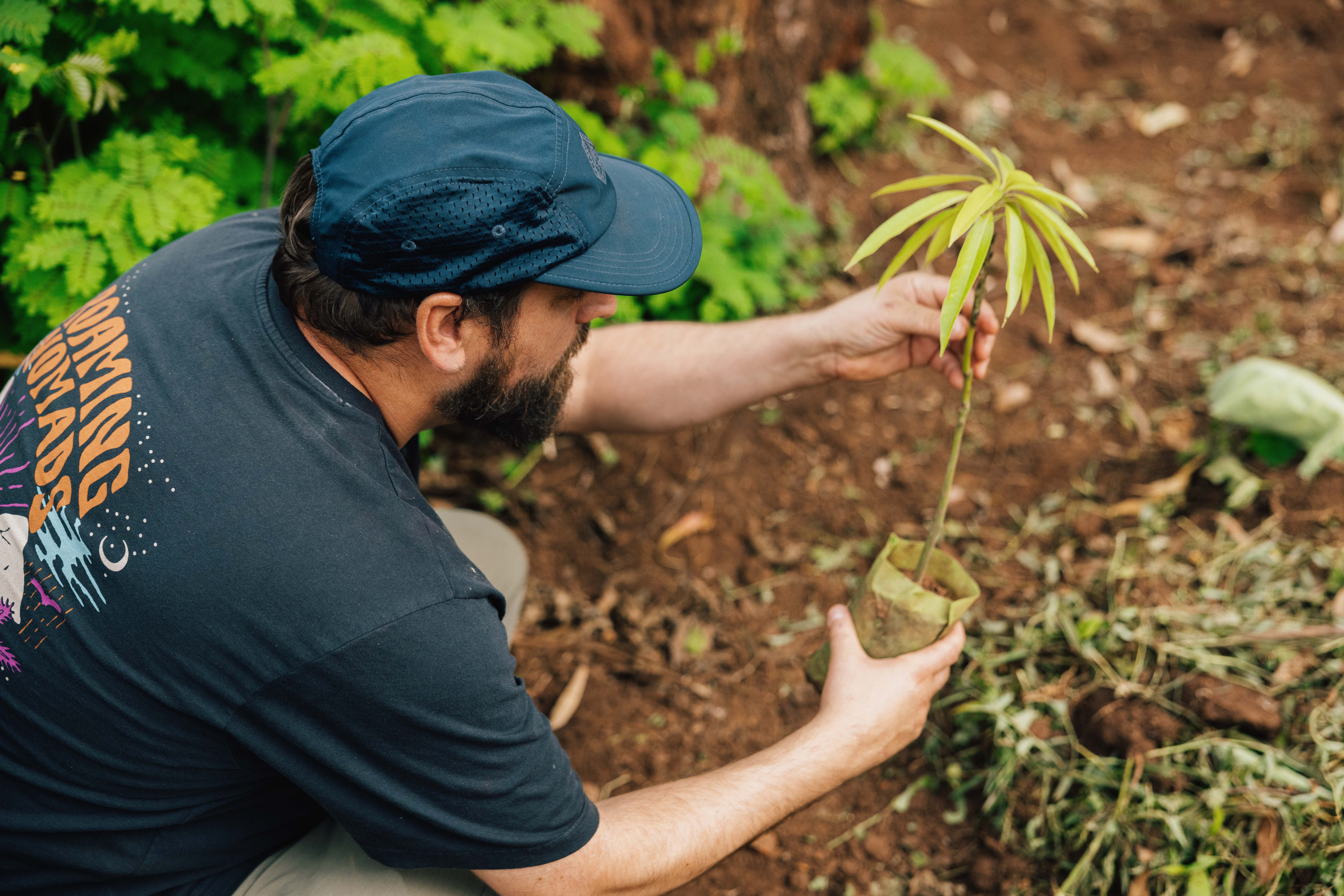
Passenger founder Richard Sutcliffe with a grafted plant during a visit to one of Passenger's restoration projects in Uganda.

Passenger founder, Richard Sutcliffe, with a grafted plant during a visit to one of Passenger's restoration projects in Uganda.

Celebrating Passenger's environmental stewardship in the fashion industry

While sustainable practices are growing across the clothing industry, global fibre production reached an estimated

132 million tonnes

in 2024, equivalent to four tonnes of material entering the market every second! This scale continues to strain environmental resources. 

Passenger's journey to 3.6 million trees planted deserves to be celebrated for helping reduce this impact. They have built their business around planting a tree for every order, and grown that into a wider programme of reforestation, rainforest protection, and long-term environmental stewardship.

Looking back over the journey to 3.6 million trees, what's the biggest lesson Passenger has learned that you didn't expect when you first started?

When we first began planting trees, it was with the environment and carbon in mind, but since working with a number of tree planting partners around the world, we soon came to realise that it was much more than that, and there is a significant impact on communities, and the health and livelihoods of people living in them. We saw this firsthand when some of the team travelled to Uganda with long-term conservation partner Trees for the Future, to see the impact our tree planting has had on many communities there.

Planting a tree for every order is central to Passenger's story. What are some of your wider environmental and social actions that customers might not see?

We have a broad sustainability strategy that covers our environmental and social impact, mostly related to our product supply chain: 

  • We’ve been mapping our impact-per-product from 2023 and have published this on product pages where we can, so our customers can see the life cycle impact of what they’re buying. We’re also going to be adding this information to on-product digital passports to give customers a fuller picture about the clothes they buy from Passenger, such as care, repair and resale. These digital passports will form a part of our range from September 2026. 

  • We’re also tracking and supporting improvements in working conditions in the factories that manufacture our products. We have an annual assessment process that all factories have to comply with, and when any issues are found, we work with suppliers, factory management and often workers to resolve those issues in long term improvement plans. We’re seeing measurable improvements in working conditions as well as much more collaborative partnerships with our suppliers. We’re even working with a competitor brand on one of these projects. 

  • Our strategy also covers our own people and the communities of people who buy our products. We’re proud to support various diverse and underrepresented community groups and charities such as Opening Up The Outdoors and LGBT Foundation to promote representation and outdoor accessibility for everyone. You can find much more information about this on our Journal and social media posts. 

Since partnering with Earthly, has any of the impact data or reporting surprised you, changed how you think about a project, or revealed a story you didn't expect?

We’ve been really surprised by and pleased with the employment data that Earthly can provide, and the overall impact of the planting on local communities. We knew that there would be a long-term benefit to planting mangroves, especially when it comes to protecting homes from storms and improving livelihoods for coastal communities, but we hadn’t appreciated that there would be such a big and immediate impact on local employment through the planting itself. It’s great to see these numbers on our impact dashboard. 

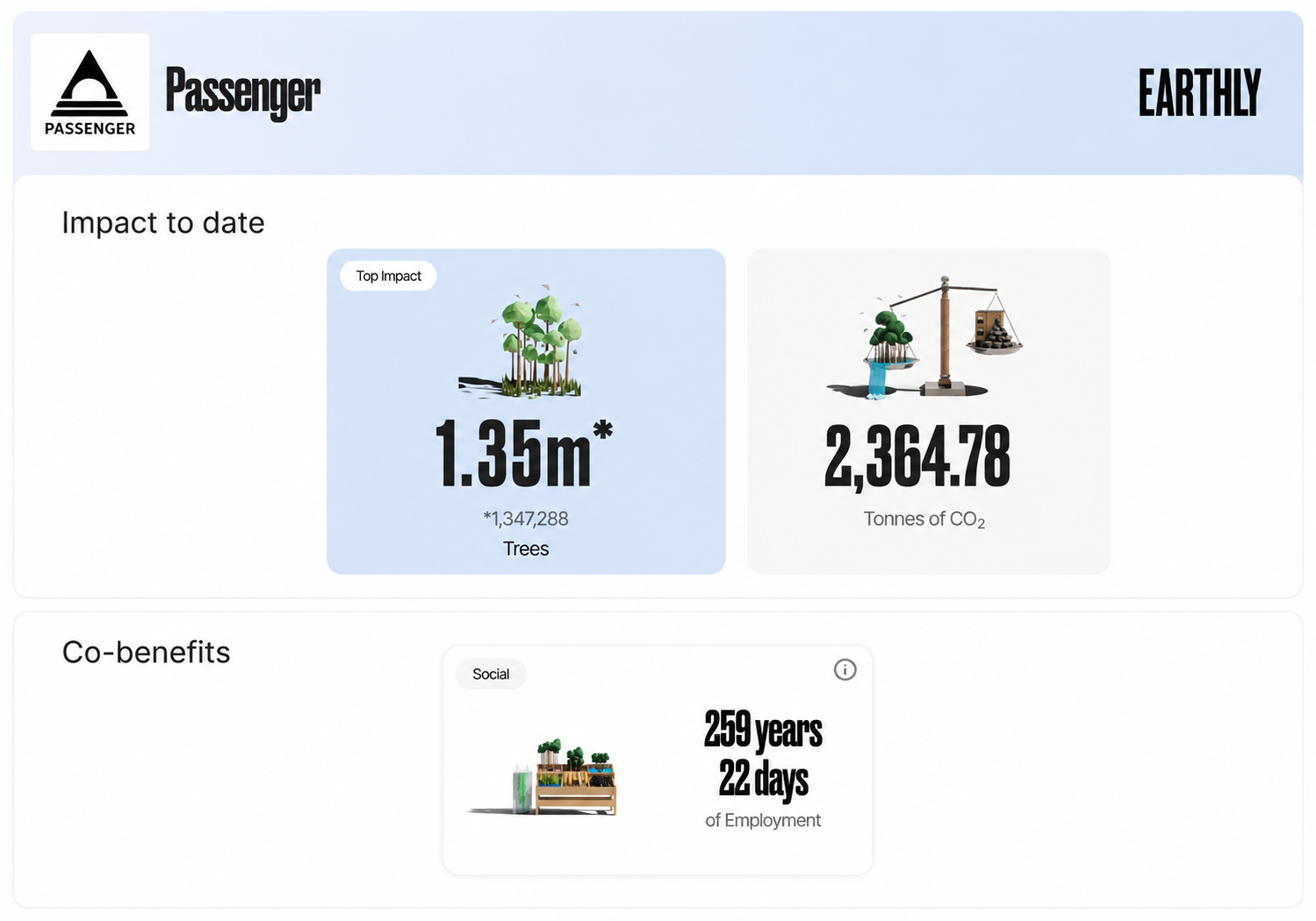
A snapshot of Passenger's Impact Dashboard, tracking the real-world impact of its sustainability initiatives with Earthly.

A snapshot of Passenger's Impact Dashboard, tracking the real-world impact of its sustainability initiatives with Earthly

Sustainability disclosures and frameworks for clothing brands

Environmental reporting is becoming more structured across the apparel sector.

Sustainability disclosures and frameworks

such as TNFD, CSRD, ESRS, SBTi, SBTN, the GHG Protocol and CDP are giving businesses a common language for measuring and reporting their environmental impact. While each serves a different purpose, they all point to the same outcome: sustainability claims need to be backed by credible, transparent and independently verified data.

As expectations around sustainability continue to grow - how has Passenger evolved the way it measures, communicates and substantiates its environmental impact while avoiding greenwashing?

We’re working with industry partners

Fairly Made

to complete

Product Environmental Footprints

for all of our products. They’ve undertaken full life cycle assessments, taking into account the materials we’ve used, product weights, our supply chain and our shipping methods to create a detailed picture of our impact. This forms the bulk of our Scope 3 (indirect) Greenhouse Gas footprint, and we’ve used this information to set decarbonisation targets as well. In doing so we’ve achieved a 2x increase in transparency across our supply chain, ensuring verified, data-driven reporting and product claims. 

Ahead of mandatory regulations, Passenger is launching Digital Product Passports across much of our Autumn/Winter 2026 collection, giving our customers and retail partners complete data on garment lifecycles.

Which disclosure frameworks, standards or certifications does Passenger currently report against, and how have they influenced your sustainability strategy?

We’re assessed by

EcoVadis

and achieved a Bronze rating in our first year. We’re hoping to improve on that and utilise the standard to highlight areas where we can make improvements. We’re also rated ‘Good’ on the sustainable fashion rating site

Good On You

, having made some improvements in our rating this year. We’re using these frameworks to support our strategy and also inform the kind of information we make available publicly as they’re a great gauge of what our customers want to know more about. 

Can fashion and clothing  brands actually be sustainable?

Yes, fashion and clothing brands can be responsile, by using lower-impact materials, adopting circular business models, having supply chain transparency and investing in nature-based projects.

The fashion industry accounts for an estimated

2% to 10%

of global carbon emissions and generates around 92 million tonnes of textile waste every year. At the same time, less than 1% of textiles are recycled back into new clothing, highlighting the scale of the industry's resource and waste challenges.

While no clothing brand can claim to have eliminated its environmental impact, Passenger is demonstrating that progress is possible through long-term commitments, measurable action and continuous improvement.

The fashion industry is often criticised for being extractive and wasteful. What do you think brands in your sector still need to do differently for nature?

The outdoor sector is pretty advanced when it comes to sustainability innovation, using more responsible materials and setting challenging targets to reduce our impact. The most meaningful thing that we can do is keep going, spearheading changes and leading the overall apparel sector to do more. 

For meaningful reductions in impact, we have to focus our efforts on decarbonisation, reducing heat stress for workers, increasing the take-up of repair services and using post-consumer materials for our recycled inputs. 

Have there been any difficult decisions or trade-offs where doing the right thing for the environment wasn't necessarily the easiest or most commercial option? 

Most of our decisions include some balance between the environmental impact of our business and commercial success, but we’re lucky that all of our people are committed to reducing our impact on the environment so we can usually find an agreement that tackles the sustainability concern whilst also meeting the needs of our customers. 

One of the things we’ve been working on recently is a reduction in the % of recycled content in our 50/50 recycled/organic cotton tees to improve their durability and longevity. It means a higher manufacturing impact because there’s more virgin material in the mix, but if we can make them more durable and last for longer, the overall impact will be lower and our customers will be even happier. 

If another company in a high-impact industry asked for your advice on where to start, what would you tell them?

Probably to look around their sector at other businesses, competitors or similar industries and see what they can learn from them. There is so much data, insight and guidance out there that businesses are rarely starting from scratch when it comes to reducing their impact these days. 

That might mean failing to measure all of the early improvements that you’ve made, but the earlier you start the better for everyone, even if you can’t take the credit or add it to your annual report. And don’t underestimate the benefit of simple actions like funding environmental causes and planting trees, for both the planet and your stakeholders. 

What's next for Passenger

In the years from now, what does success look like for Passenger's environmental journey?

We’ve been planting trees since the early days; it’s something that’s at the core of Passenger so that won’t change. In total we’ve planted over 3.6million trees around the world with our long-term conservation partners Trees for the Future, One Tree Planted and now Earthly too. We also protect rainforest in partnership with Rainforest Trust and have protected over 259million sqm. 

We’ll continue to plant and protect, and may look to expand our partnerships or work with new partners. We’re hoping to scope out projects around water and nature in the near future. 

In the next few years, we’ll hopefully be well on our way through a meaningful climate transition plan that includes supply chain partnerships and be communicating this with our customers. We’ll be focusing on our supply chain as this is where most of our emissions are, and we’re also keen to ensure that the environmental benefits can also be felt in the communities affected by our business. Those might be workers in factories or the communities they live in. We’re keen to direct our efforts where we have the greatest influence and impact.

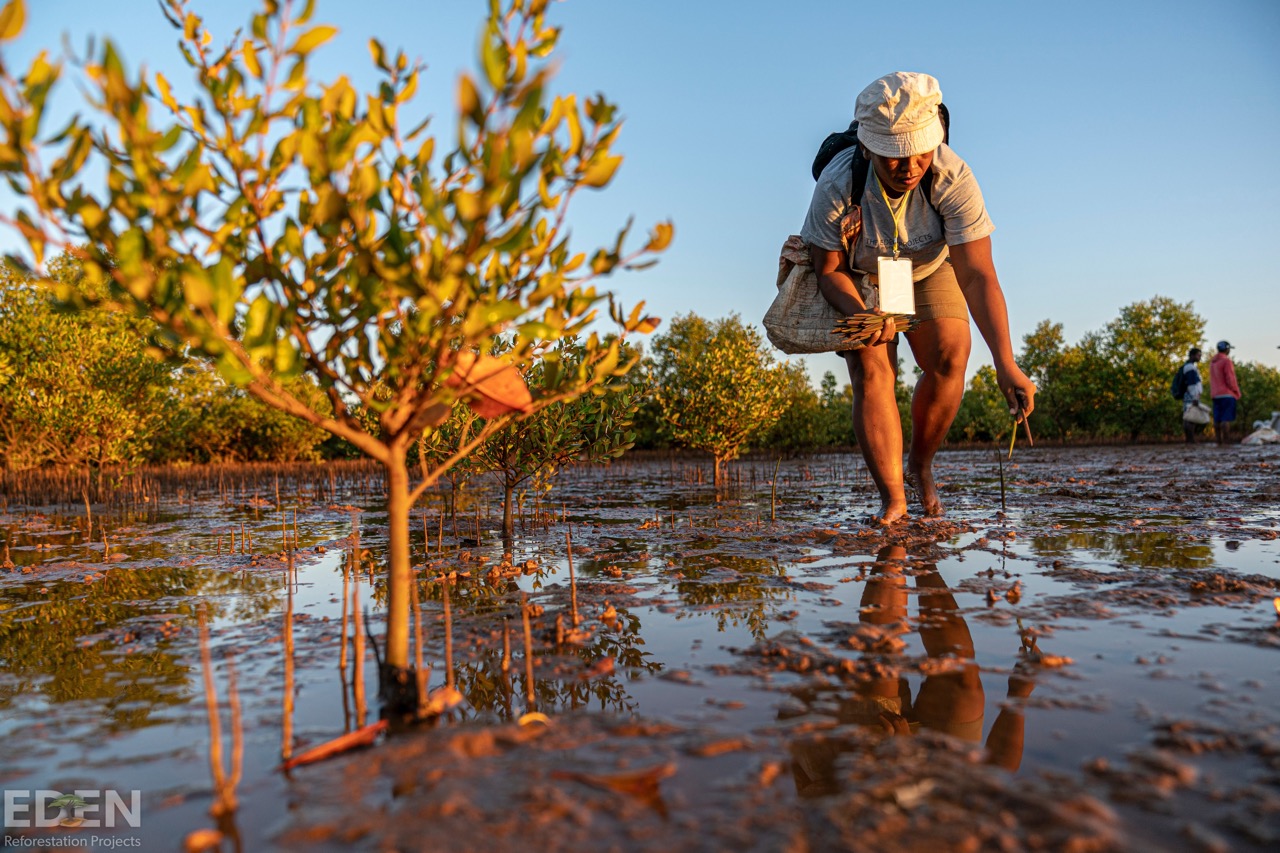
Earthly High-quality Projects - Mangroves in Madagascar

Passenger supports this mangrove regeneration project in Maroalika, Madagascar, through its partnership with Earthly, which has removed over 567.8 tonnes of CO₂ and generated 90 years of local employment.

Who are Passenger?

Passenger

is an outdoor clothing brand built around its "Made to Roam" philosophy - creating apparel for meaningful escapism, travel and life outdoors while encouraging people to reconnect with nature.

Responsibility has been central to the brand. Alongside investments in nature restoration, Passenger uses lower-impact materials, and works to extend the life of its products through circular initiatives.

Today, the brand's commitments include:

  • Planting a tree for every order, supporting global reforestation and ecosystem restoration projects.

  • Protecting more than 259 million square metres of rainforest through its partnership with Rainforest Trust.

  • Using lower-impact materials, including organic cotton, recycled cotton and recycled polyester, alongside innovations such as NetPlus® fabric made from recycled fishing nets.

  • Extending the life of its products through its partnership with Reskinned, helping keep clothing in use for longer and out of landfill.

Passenger's relationship with Earthly

Passenger has been an

Earthly partner

since 2024. As a direct-to-consumer brand, they needed a partner that could help diversify its planting beyond East Africa while giving it the transparency and reliable impact data to keep customers engaged in its

Plant & Protect

story. Through Earthly, Passenger has planted over 1.5 million trees, expanding its planting footprint globally and strengthening its wider Plant & Protect commitment. 

Earthly's support helped Passenger scale their impact without locking into rigid forecasts or minimum volumes, which proved especially valuable during a year of US tariff disruption. That partnership supports the

mangrove regeneration project in Maroalika, Madagascar

, chosen for its dual role in long-term carbon storage and coastal community protection. Their positive impact so far includes:

  • Carbon:

    567.8 tonnes of CO₂ removed

  • Trees:

    over 1.5 million trees planted

  • Social:

    90 years of employment generated

Mitigate regulatory risk and get your fashion brand supporting nature and disclosure-ready

Businesses that make sustainability claims without credible evidence risk greenwashing allegations from regulators, retail partners and customers. As frameworks such as TNFD, CSRD and SBTi become more widely adopted, businesses need robust data to support claims about climate, nature and biodiversity. 

Earthly helps businesses do that through:

  • High-integrity nature-based projects

    :

    Every project is assessed against Keystone 3.0, our nature-based assessment framework for scoring carbon, biodiversity and social outcomes.

  • Impact dashboard and customer hub

    :

    Detailed environmental and social impact reporting metrics giving your business a defensible, disclosure-ready story for customers, partners, and regulators

  • Voluntary biodiversity credits

    :

    Businesses looking to broaden their nature investment beyond carbon alone can access biodiversity credits alongside carbon projects

  • Future Carbon Sourcing

    :

    Businesses can secure tomorrow's carbon credits at today's prices, locking in supply from high-integrity projects as they develop

  • API integration

    :

    Automated investment can built directly into a business's own systems and scaled without manual admin

Get in touch with Earthly

If your business is ready to turn nature investment into verified, reportable impact your customers and regulators expect.

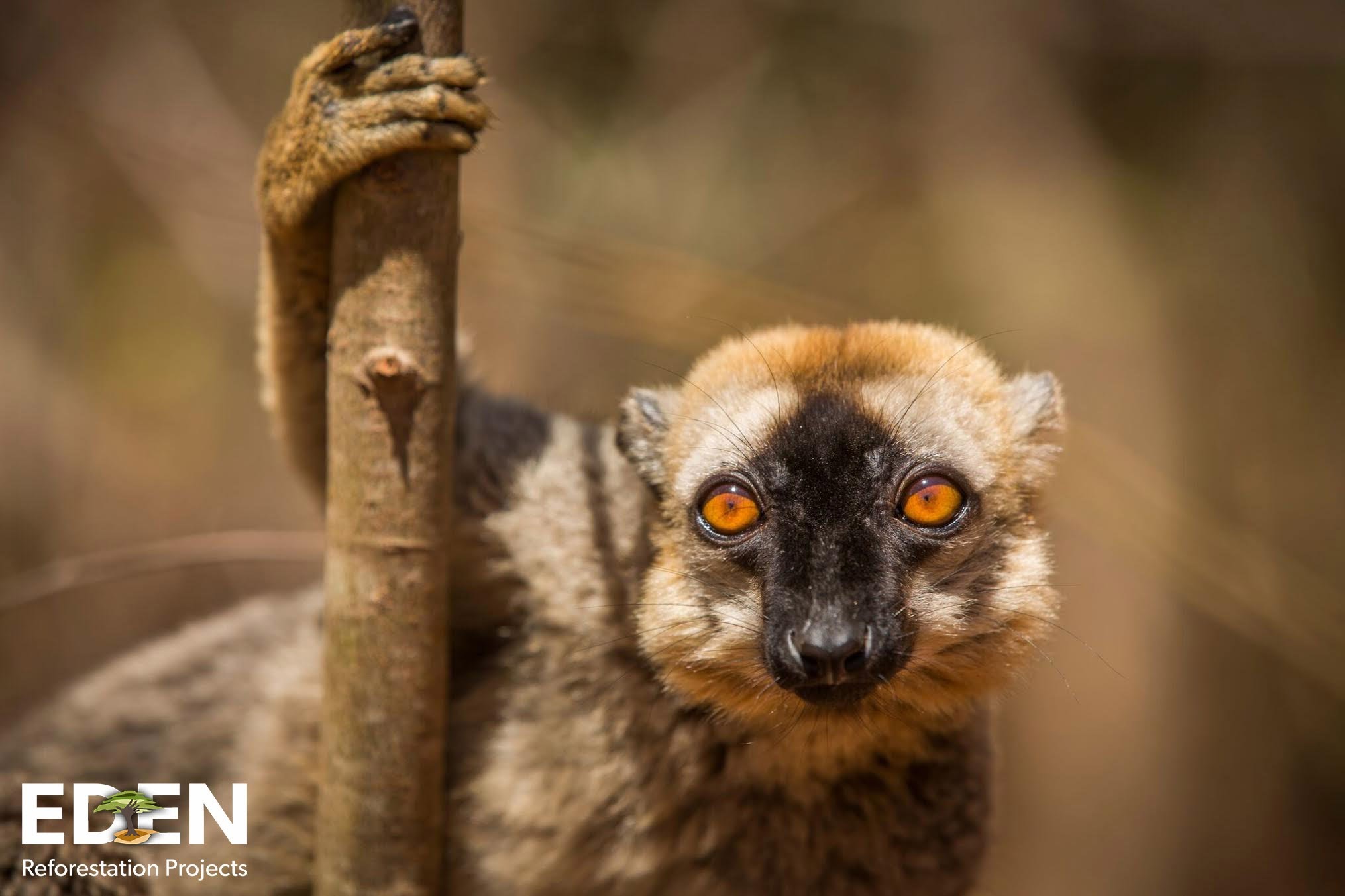
Earthly Madagascar Project Lemur

Passenger's support for the Marolika Project contributes to the protection of Madagascar's unique biodiversity, including iconic species like lemurs.

Frequently Asked Questions

How many trees has Passenger planted?


Passenger has planted over 3.6 million trees globally through partnerships with Earthly, Trees for the Future, and One Tree Planted, alongside protecting more than 259 million square metres of rainforest with Rainforest Trust.

What is a Digital Product Passport?


A Digital Product Passport is a digital record attached to a product that gives customers and retail partners visibility into a garment's full life cycle, including materials, care, repair, and resale options. Passenger is launching these across much of its Autumn/Winter 2026 collection ahead of mandatory EU regulation.

Why does tree planting create local employment?


Reforestation and mangrove regeneration projects typically employ local communities directly in planting, nursery management, and ongoing site protection, which is why nature investment partnerships like Passenger's with Earthly can generate measurable employment alongside carbon removal.

What does sustainability mean for a clothing brand?


For a clothing brand, sustainability typically covers reducing supply chain emissions, using recycled or responsibly sourced materials, improving factory working conditions, extending garment lifespan through repair and resale, and reporting progress against recognised frameworks such as TNFD, CSRD, and SBTi.

About the author - Jane Blacklock, Head of ESG at Passenger

Jane Blacklock joined Passenger in 2023 as Head of Environmental, Social and Governance (ESG). She's been working in sustainability and ethical trade for over 18 years looking at working conditions in supply chains, responsible purchasing practices, marketing and sustainable raw materials.

Before joining Passenger she held roles at B&Q, FatFace, and Mothercare, as well as volunteering as a Trustee or Non-Executive Director for civil society organisations such as Women Working Worldwide and the Ethical Trading Initiative.