)
Sustainable business
08.07.2026
What the core sustainability disclosure frameworks require from your nature investments
Eight in ten companies reporting on sustainability are now doing it across more than one framework simultaneously …

)
Earthly brought together Lorienne Whittle, Rewilding Landscapes Manager at
; Siobhan Stewart, Head of Delivery at
; and Sharan Ghai, Research Lead at Earthly, to explore how corporates can move from recognising nature as a risk to acting on it with evidence.
Watch the full '
How businesses can build a credible biodiversity investment strategy
'
webinar to explore these insights in more detail.
How Keystone 3.0 assessed
and gave an 8.2 score.
Early-stage projects offer a good entry point for corporate nature engagement.
The business case for nature investment that procurement, finance and operations teams can get behind.
Where TNFD and SBTN each fit in sustainability reporting.
How voluntary biodiversity credits relate to statutory Biodiversity Net Gain units.
In February 2026, the Intergovernmental Platform on Biodiversity and Ecosystem Services (IPBES) released an
endorsed by more than 150 governments, confirming that
nature loss is now a systemic risk to economies, supply chains and financial stability
. As a result, businesses are facing growing expectations to understand, manage and report their nature-related risks and dependencies.
Yet, many businesses are still unprepared. Fewer than 35% of companies filing first-wave Corporate Sustainability Reporting Directive (CSRD) reports in 2025 had adequate systems for measuring biodiversity impacts, creating audit risk heading into 2026.
To help businesses navigate these challenges, Earthly recently brought together experts from Nattergal and Natcap Research for a webinar on how businesses can use voluntary biodiversity credits to act on nature-related risk. The webinar looked at how businesses can build a credible business case for investing in nature, where biodiversity credits fit alongside frameworks like TNFD and SBTN, and what to look for when evaluating high-integrity nature projects.
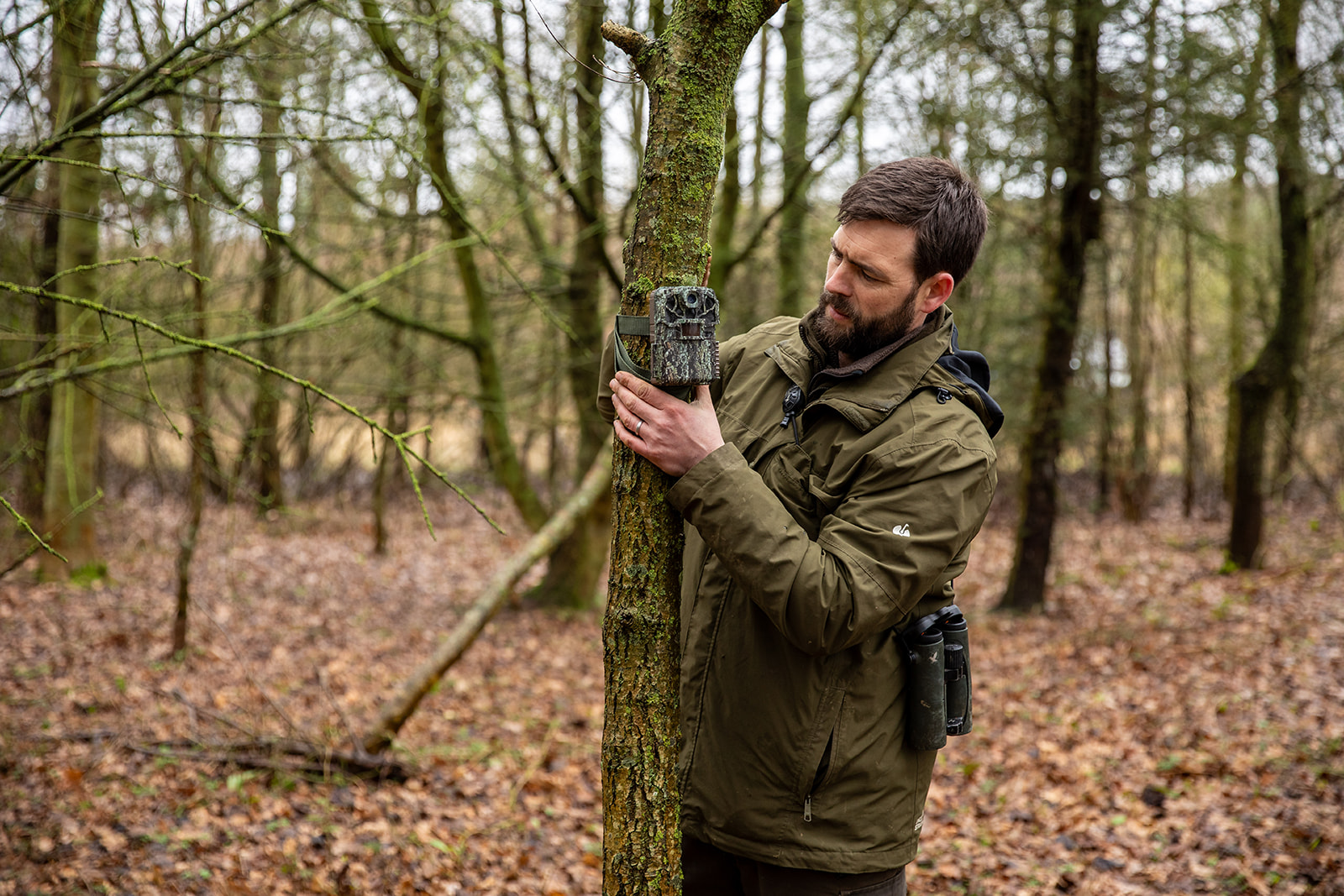
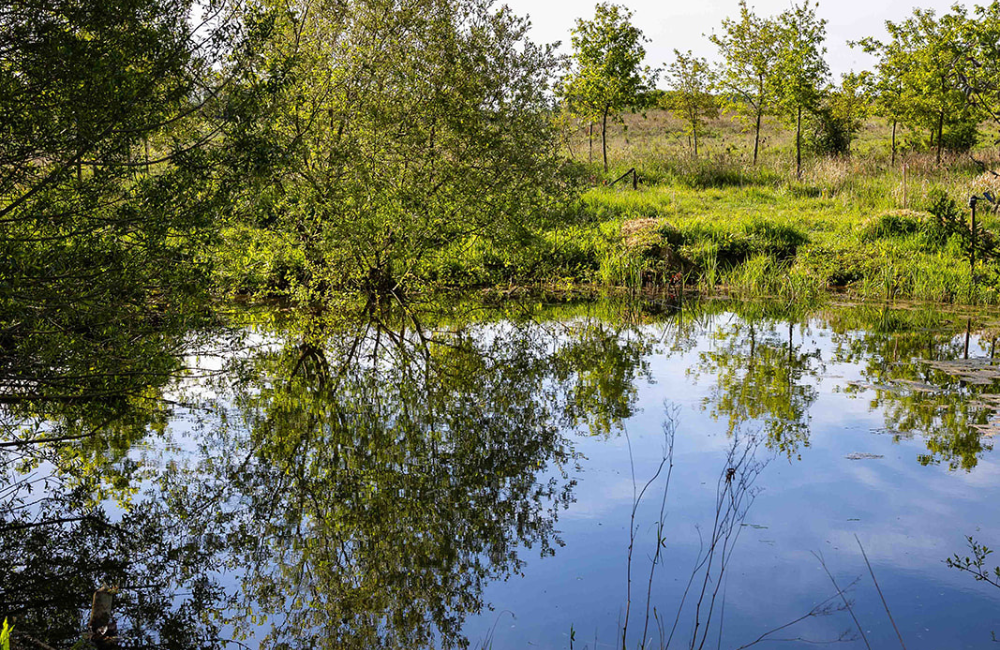
Boothby Wildland, Nattergal's 617-hectare former arable farm in Lincolnshire, where natural processes including grazing and beaver-led wetland engineering are driving nature recovery. Image: Jonathan Perugia for Nattergal
"How nature is being included on the balance sheet, or within financial accounting, has continued to evolve over the past few years. The Capitals Coalition has been progressing much of this work, and their March 2026 update outlines both progress, moving from concept to implementation, and case studies including Belterra, Vale Base Metals and Manulife."
Siobhan Stewart, Head of Delivery, Natcap
Throughout the discussion, the panel made one point clear: investing in nature is no longer just about reputation or corporate responsibility. It's becoming a business-critical issue that affects risk, resilience and long-term value.
Biodiversity loss has become a board-level
, especially for companies with complex supply chains or growing regulatory obligations. Increasingly, disclosure frameworks expect businesses not only to recognise these risks, but also to measure, report and manage them.
That shift changes what a credible nature strategy looks like. Businesses need to understand their nature-related risks, identify where action will have the greatest impact, and back any biodiversity credit purchase with a project assessment that can withstand scrutiny. Frameworks like TNFD and SBTN provide the structure to do that.
Projects like Boothby Wildland give businesses an opportunity to act on that strategy today. They fund measurable ecosystem restoration while helping organisations build the evidence base they need to support future disclosures and sustainability claims.
"Keystone 3.0 looks for sufficient data to characterise the site with confidence, typically a recent ecological survey supported by five to ten years of remote sensing data. A project in year one with a robust baseline and a credible forward monitoring plan can achieve a strong score. A project several years into delivery with inconsistent or incomplete data will not. Timespan in isolation is not the determining factor. Fit-for-purpose data and a defensible monitoring design are."
Sharan Ghai, Research Lead, Earthly
A high-quality carbon credit must represent real, additional and measurable climate benefits against a credible baseline. It should also be independently verified and designed to deliver long-term, permanent impact.
Industry guidance on evaluating
projects shows that weaknesses in verification and evidence are often early warning signs of poor project quality. In other words, a project's credibility depends not only on the outcomes it reports, but also on the strength of the evidence supporting those claims.
Sharan Ghai, Earthly's Research Lead, puts it plainly when it comes to how Keystone 3.0 assesses this:
No fixed minimum timespan:
The data required depends on the specific indicator being assessed, not a blanket rule
Baselines need enough data to be credible:
Typically a recent ecological survey backed by five to ten years of remote sensing
A young project can still score well:
If it has a robust baseline and a credible forward monitoring plan in place
An older project isn't automatically safe:
Inconsistent or incomplete data will hold a score back, regardless of project age
The real test is fit, not age:
Evidence needs to match the specific claim being made, backed by a defensible monitoring design
In practice, this means a young project like Boothby can score well precisely because its baseline is rigorous and its monitoring plan is credible. It also means corporates buying credits can look past a project's age and check instead whether the evidence on offer actually matches the claim being made.
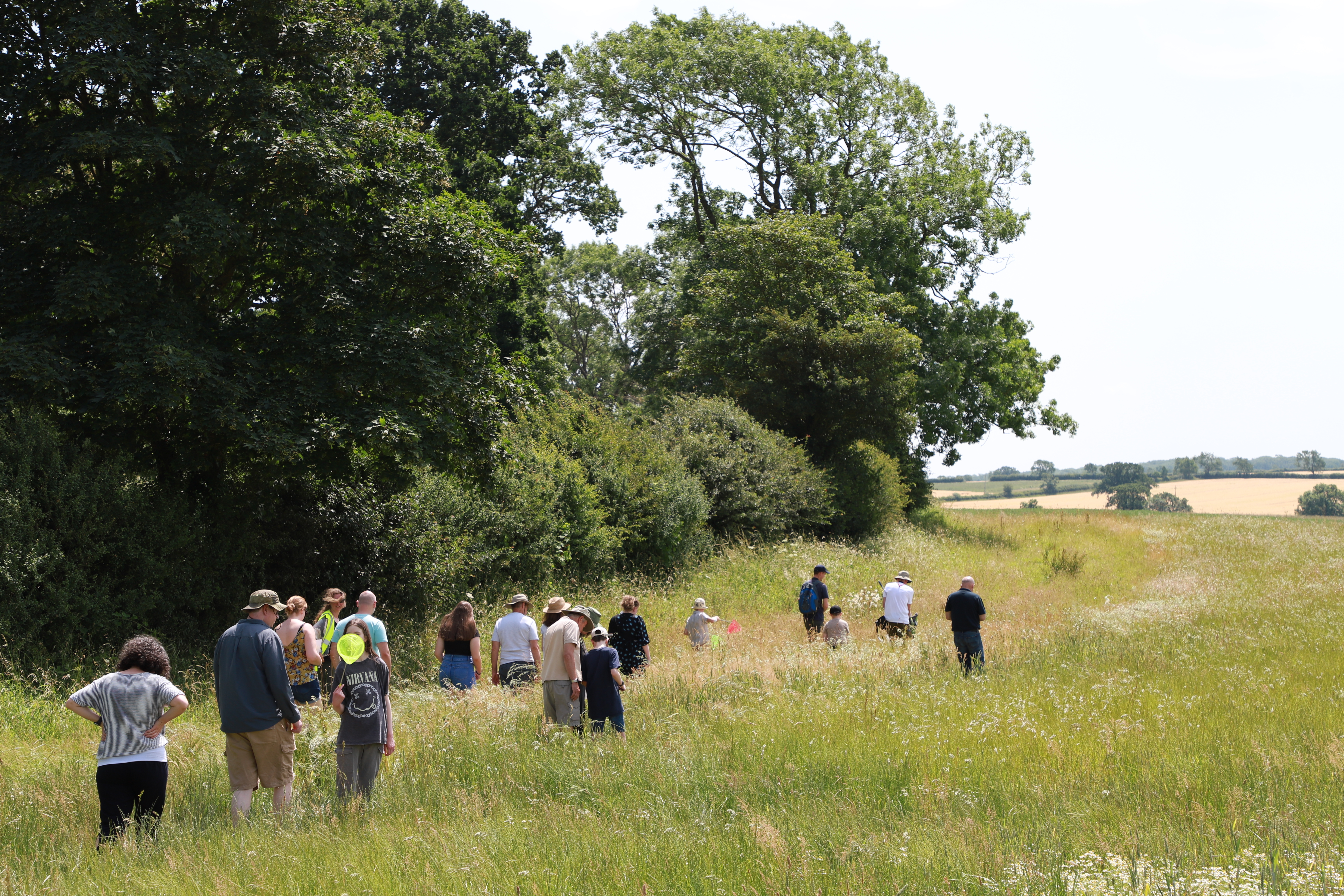
For every dollar invested in protecting nature, roughly $30 goes toward activities that degrade it. Investing in independently assessed projects like Boothby Wildland helps redirect capital towards measurable biodiversity restoration and long-term ecosystem recovery. Image: Nattergal
"For most corporates, it's always about making sure you can evidence the why and understand the outcome you're trying to reach. Your sustainability team will build a business case founded in: I want to mitigate this risk, or I want to provide positive contribution here for this reason."
Siobhan Stewart, Head of Delivery, Natcap
The panel set out a clear sequence for corporates approaching nature investment:
Identify key impacts and dependencies across your operations and supply chains. Even a rough internal assessment is better than waiting for a perfect one - most businesses already have more relevant data sitting in existing sustainability or procurement reporting than they realise.
Ground your nature investment in evidence and a clear outcome - risk mitigation, compliance, or positive impact. A business case that's tied to a specific driver (a regulatory deadline, a customer requirement, a board target) moves faster internally than one framed as a general sustainability commitment.
Procurement, finance, site managers, and operations all need to be involved. Nature investment decisions often stall because the right people weren't brought in early enough to shape it.
Tools like the WWF Biodiversity Risk Filter and ENCORE can help map dependencies before committing to a sustainability budget. They are a credible, no-cost way to get a first read on where your exposure is highest.
"TNFD and Keystone 3.0 sit at different layers of the nature finance stack, so we view them as complementary. TNFD is a disclosure framework: it guides a corporate on how to assess and report nature-related dependencies, impacts, risks and opportunities at the entity level. Keystone 3.0 is a project assessment framework: it evaluates whether a specific nature project is high integrity, across 160-plus indicators in three pillars."
Sharan Ghai, Research Lead, Earthly
A recurring theme across the audience questions was where TNFD and SBTN each fit. Neither needs to be chosen over the other, since they sit at different points in the same process.
is a framework that helps businesses identify, assess, manage and disclose nature-related risks, dependencies, impacts and opportunities. On the other hand,
is a framework that helps businesses set science-based targets to reduce their impacts on nature and contribute to protecting and restoring ecosystems.
TNFD identifies risks and dependencies through its LEAP approach: Locate, Evaluate, Assess, Prepare. It helps a company work out where in its operations and supply chain it depends on or affects nature, and where those dependencies sit geographically.
SBTN takes those findings and translates them into targets and action plans, including land targets such as no conversion of natural ecosystems, land footprint reduction, and landscape engagement.
Biodiversity credits can support either stage, whether a company is still mapping risk exposure through TNFD or has moved on to setting SBTN targets. This same logic extends to supply chain resilience:
Biodiversity loss is a board-level risk:
No longer a peripheral sustainability concern, it's discussed as a material risk to supply chains and long-term operations.
Landscape restoration addresses exposure directly:
Restoration tied to the relevant geography lets corporates act on that risk where it actually sits, rather than in the abstract.
Credits provide a funding route:
Alongside the risk mitigation benefit, biodiversity credits give businesses a way to finance that restoration.
The
habitat mosaic creation project in Boothby Wildland, Lincolnshire, England
is a 617-hectare former arable farm, owned by nature-restoration company Nattergal. Nattergal takes a natural process-led approach: kick-starting habitat creation in a project's early years, then letting natural processes, including grazing by large herbivores and beaver-led wetland engineering, take over.
Biodiversity at the site has more than doubled since its 2023 baseline. Wetland habitat has expanded from a handful of ponds to over 30. Beavers are also being reintroduced, and other species including little egrets, green sandpipers, teal, grey partridge and hen harriers have returned to the site.
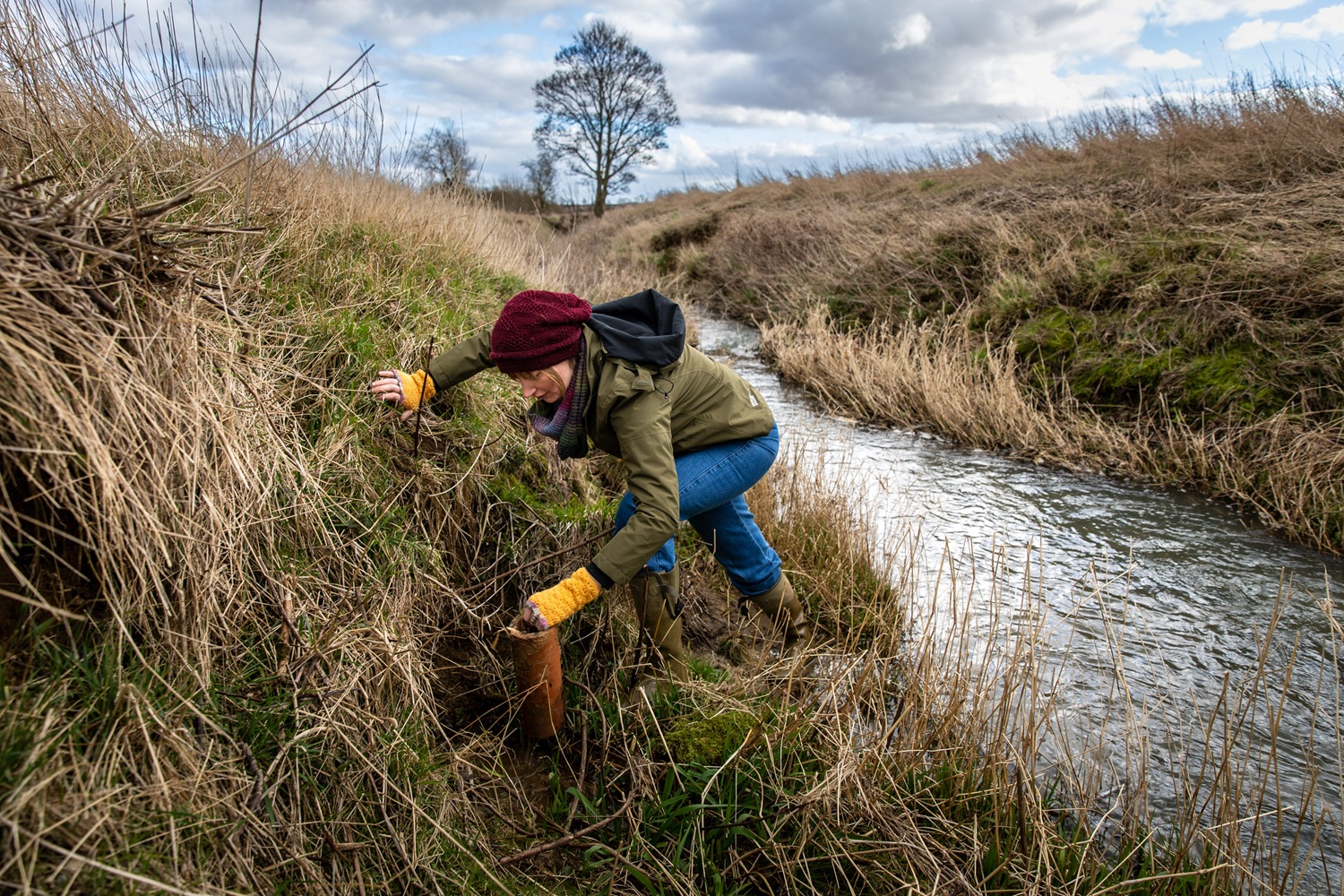
Only 10% of projects assessed by Earthly make it onto the Marketplace. Boothby Wildland earned a remarkable overall Keystone 3.0 score of 8.2 out of 10, with pillar scores of 8.3 for carbon, 8.1 for biodiversity and 8.2 for people. Image: Nattergal.
"Rather than just giving buyers a headline score, Keystone 3.0 shows the shape of the project: where it is strongest, where there are gaps, and where we might need to ask more questions. We've reviewed over a thousand nature projects, and fewer than 9% have passed our minimum requirement. Our aim is not volume, it's identifying projects where the evidence, the design and the long-term delivery case are strong enough for our buyers."
Sharan Ghai, Research Lead, Earthly
assesses nature-based projects across three pillars, carbon, biodiversity and people, giving each equal weight. Every indicator carries two scores: a maturity score for how well the project meets the criterion, and a confidence score for how strong the evidence behind it is. The two combine into a 0 to 10 result, and a project needs an overall score of 5.5 or higher to meet Earthly's minimum standard.
Boothby scored 8.2 overall, with strong marks across all three pillars: Carbon 8.3, Biodiversity 8.1, and People 8.0.
Its people pillar score came out higher than any biodiversity credit project Earthly had previously assessed, driven by an independent stakeholder analysis that identified more than 60 organisations, including local residents, conservation groups, academics and government agencies. It was also supported by a best-practice engagement report commissioned from the Countryside and Community Research Institute at the University of Gloucestershire and the Leverhulme Centre for Nature Recovery at Oxford University.
Some of the evidence behind that score, include:
1,170 soil cores collected for the baseline soil carbon assessment across the 617ha site.
Seven bird species of conservation concern identified during winter 2023 bioacoustic surveys.
20,799 metres of permissive routes planned across the site by 2050.
1,413 Biodiversity Net Gain units added to the register.
3,364 volunteer hours contributed between 2022 and 2025.
1,860,882 species observations recorded.
"What's special about these Earthly credits is they're accessible, but also a really robust way for people to tangibly contribute to nature recovery at Boothby Wildland."
Lorienne Whittle, Rewilding Landscapes Manager, Nattergal
Boothby is still at the beginning of its 30-year restoration journey. Unlike mature reserves, buyers coming in now get to witness the transformation in real time rather than reading about outcomes after the fact, giving them a live view of how habitat recovery actually progresses.
Over the next 30 years, Boothby's habitats will be managed through natural grazing by large herbivores, yet to be reintroduced, which will scallop scrub edges and create a mosaic of microhabitats. The project is expected to increase invertebrate abundance, enhance bat diversity, and support the recovery of grassland and woodland birds.
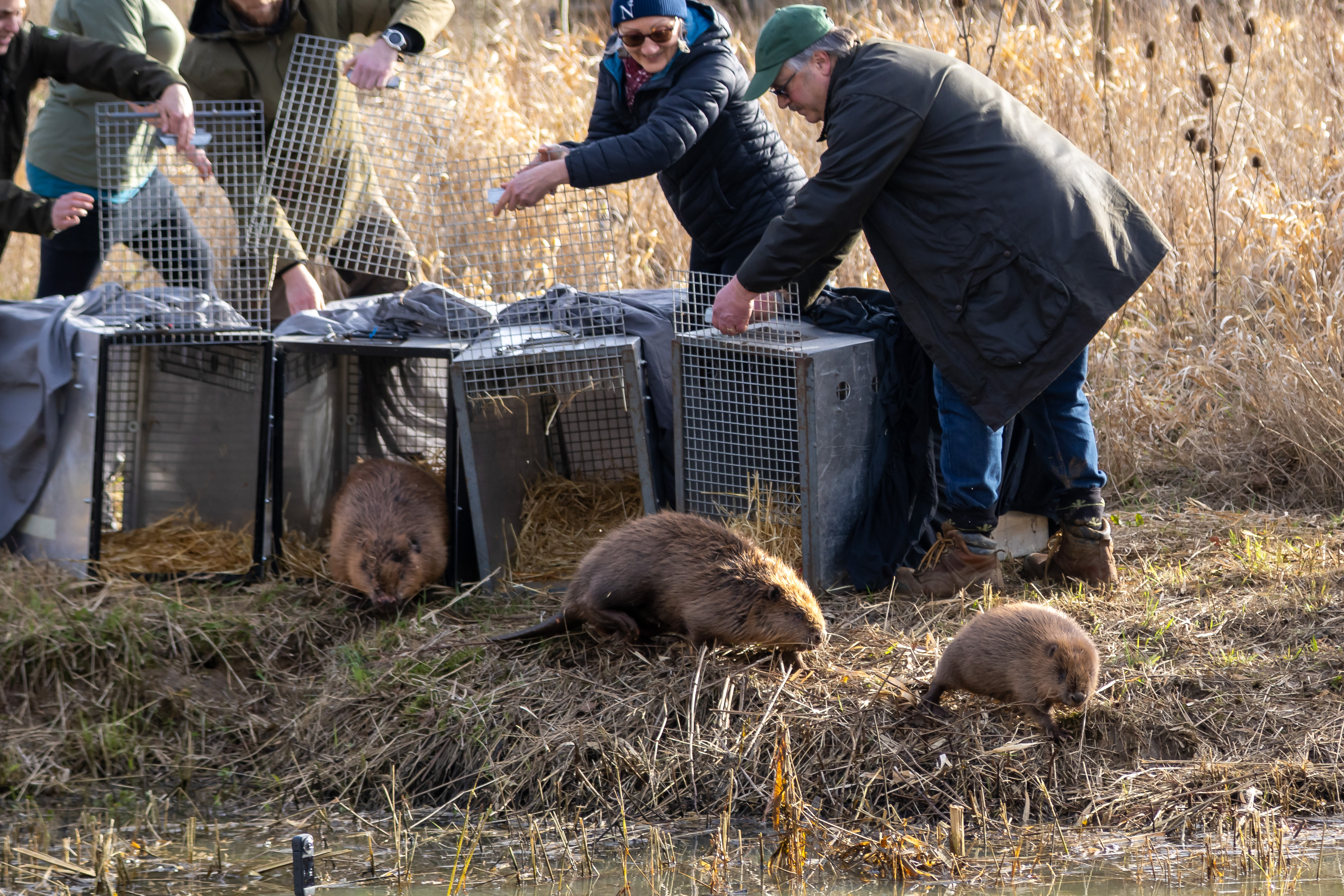
Beavers reintroduced at Boothby Wildland are ecosystem engineers: beaver-created wetlands support 19% more species on average than other wetland types, according to University of Stirling research. Image: Nattergal
"The VBCs are legally secured, and built on the DEFRA biodiversity metric, the same methodology used in the statutory Biodiversity Net Gain market. The BNG units are fractionalised into 9m² tiles to make voluntary investment accessible at the right price point. Each credit funds the restoration of grasslands, scrub and ponds, which contribute to the wider resilience of the landscape."
Lorienne Whittle, Rewilding Landscapes Manager, Nattergal
is a mandatory planning requirement in England that requires most new developments to leave biodiversity in a measurably better state than before. Developers achieve this by creating or enhancing habitats either on-site or elsewhere, with biodiversity gains measured using the statutory biodiversity metric.
are purchased by businesses that choose to invest in nature restoration beyond regulatory requirements. Rather than offsetting the impacts of a specific development, they fund measurable improvements in biodiversity and support wider ecosystem recovery through independently assessed conservation and restoration projects.
Earthly's voluntary biodiversity credits at Boothby are fractionalised Biodiversity Net Gain units, built on the same DEFRA metric used in the statutory BNG market.
To prevent double counting, units are reserved on an internal
, and once sold, the equivalent statutory units are removed from the National Register.
If you're developing a nature strategy, evaluating biodiversity credits to derisk your investment, or looking to understand the role high-integrity projects play in that process, here's where to start:
:
See the full discussion on how businesses can build a credible biodiversity investment strategy.
:
Learn how this biodiversity credit project is restoring nature and setting a benchmark for project integrity.
:
Browse Earthly's Marketplace to support independently assessed, high-integrity nature projects.
:
Discuss your biodiversity strategy, project selection or reporting requirements with an Earthly expert.
Choosing a Keystone-assessed project helps businesses invest with confidence, reduce greenwashing risk and support nature projects backed by transparent, science-based evidence. Image: Nattergal
Are biodiversity credits a replacement for Biodiversity Net Gain (BNG)?
No, Biodiversity Net Gain is a regulatory requirement for most developments in England, while biodiversity credits are voluntary investments. Businesses use biodiversity credits to support nature restoration beyond compliance and contribute to broader biodiversity goals.
How can businesses identify high-integrity biodiversity projects?
Look for projects with clear baselines, measurable outcomes, independent verification and transparent reporting. Project assessments should also consider biodiversity, carbon, community impact, governance and the strength of the evidence supporting project claims.
Earthly's
framework provides one example of an independent assessment, scoring projects against more than 160 indicators across carbon, biodiversity and people to give businesses greater confidence in their investment decisions.
Can businesses invest in biodiversity credits outside their own supply chain?
Yes, while many organisations prioritise projects linked to their operations or supply chains, businesses can also support high-integrity restoration projects in other locations to contribute to global biodiversity recovery and demonstrate environmental leadership.
Do biodiversity credits support sustainability reporting?
Yes, biodiversity credits complement reporting frameworks such as TNFD and SBTN, but they are not a substitute for assessing, managing and disclosing nature-related risks and impacts.
Is there a single standard for measuring a unit of biodiversity?
Not yet, but multiple models are in active use, including the DEFRA metric, Pivotal Earth's basket of metrics, The Landbanking Group's Ecosystem Integrity Index, and Verra's emerging Nature Framework.
Keystone 3.0 provides a consistent integrity layer across projects regardless of which underlying metric they use, giving buyers a common basis for comparison.
Related articles
08.07.2026
Eight in ten companies reporting on sustainability are now doing it across more than one framework simultaneously …
)
18.06.2026
On 11 June 2026, the Science Based Targets initiative (SBTi) published the final Corporate Net-Zero Standard …
)
11.06.2026
More than 11,000 companies worldwide have set or committed to science-based targets through the Science Based …